
For millennial parents who grew up in the era of D.A.R.E. and other drug prevention programs, turning to cannabis can feel like a shameful secret. But the truth is, according to statistics, around 1 in 12 U.S. parents regularly use weed substances — and that number is only growing.
Erin Pash, LMFT, co-owner of Pot Mama’s Boutique Dispensary, and a parent and user herself, tells Mom.com that daily cannabis use among parents has outpaced daily alcohol use. The reasons parents use cannabis can vary, but Pash points out that today’s pot-using parents are nothing like the stereotypes of “stoners” that once existed. Instead, she’s seen an uptick in what some might consider the stereotypical opposite of the pot user.
“It’s educated, married, professional women who are making deliberate choices about how they unwind,” Pash says.
But how does using pot as a parent track with telling our kids not to use drugs? Here’s what real pot-using parents had to say.
Tell Them Weed Is a Valid Choice (Just Like a Glass of Wine)
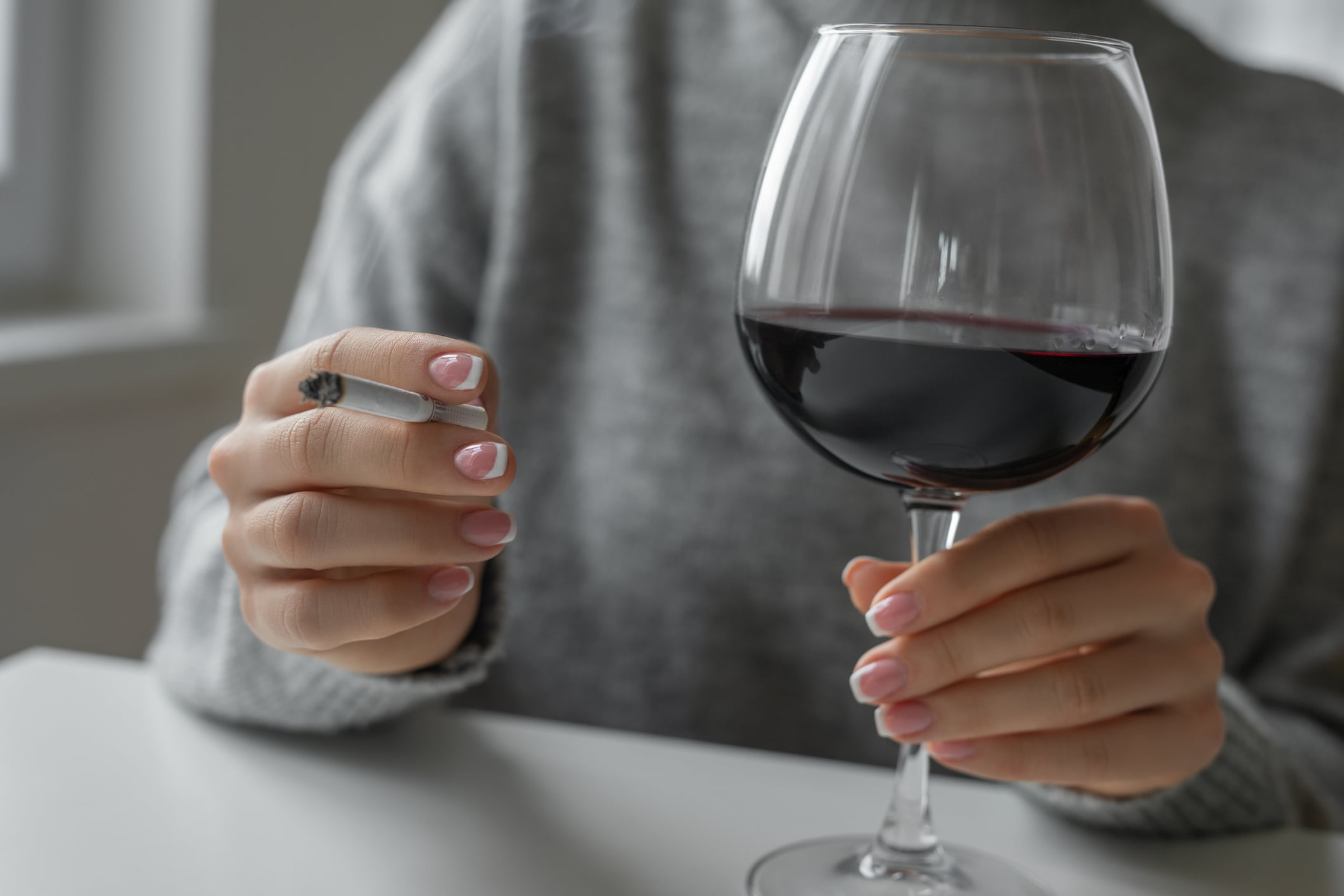
Stephanie Hastings, owner of SD3 Creative in Dallas, Texas, and a cannabis consumer, parent, and industry advocate, is a firm believer that cannabis use is just as valid (“if not more so, because it’s not a carcinogen,” she says) a choice for parents as alcohol. Most parents don’t feel the need to justify or explain away a glass of wine at dinner or a beer at a kid’s birthday party, so why is cannabis treated so differently?
“Having the maturity to consume responsibly and with moderation is on the adult, just like with drinking,” she says. “The fact that we, in 2026, still have these conversations about a plant that was literally made for humans, and has so many benefits to the human race, is absolutely wild to me.”
Hastings points out that research has shown that cannabis has a better safety profile when compared to alcohol, and hundreds of people die every day from excessive alcohol use, so to her, the scrutiny itself deserves a second look. “I’d love to see drinking parents asked these same questions with the level of scrutiny that cannabis consumers are,” she says.
Talk About Using Weed as a Tool Against Other Negative Habits…
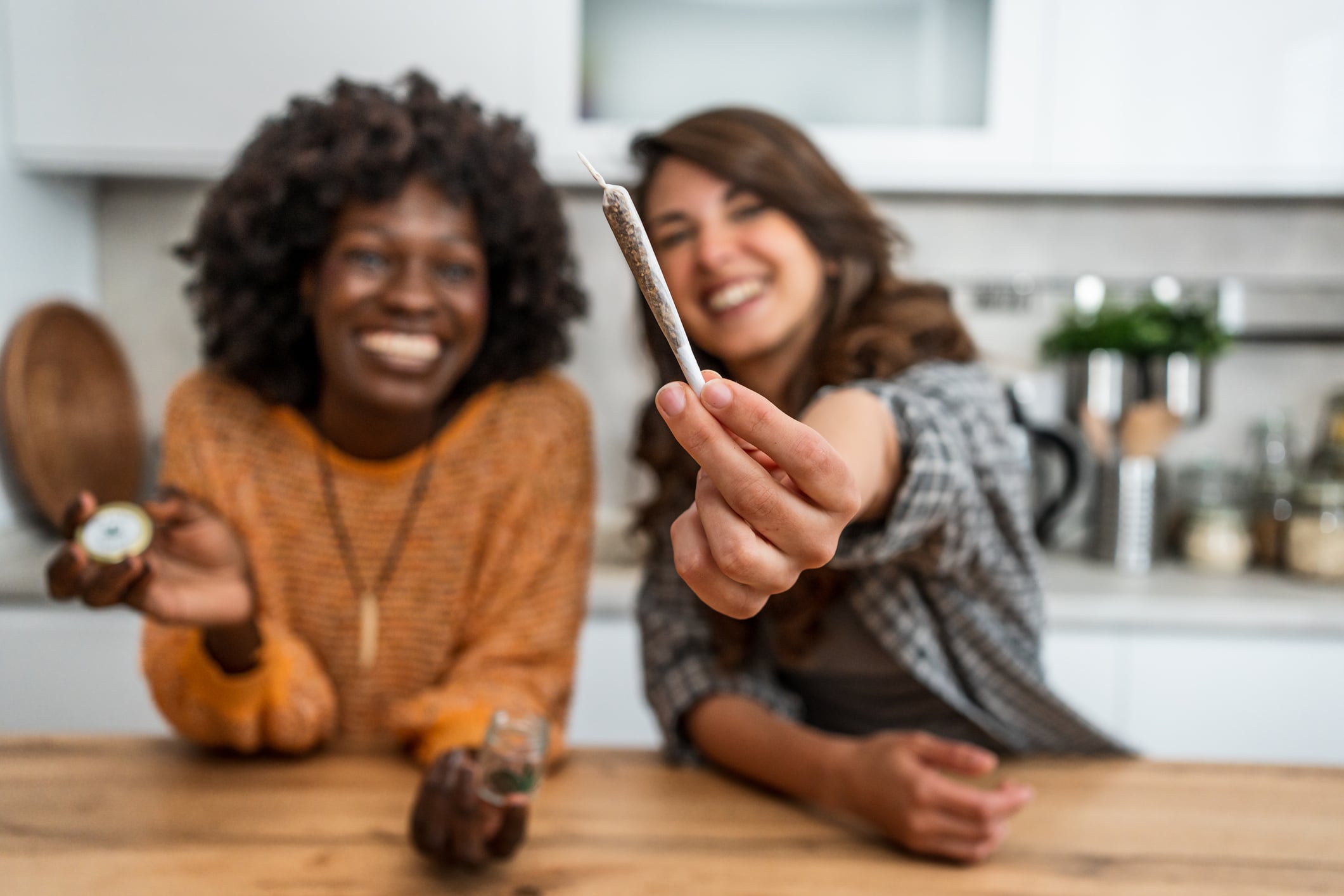
“Mommy wine culture” used to be a major thing, but Pash says that aside from problematic implications of associating “momming” with drinking, some parents are actively using cannabis to curb former drinking habits. “We also see a lot of people using cannabis to reduce their drinking, not just replace it,” she notes. “They come in saying they want something for Friday nights that isn’t their third glass of wine out of habit. That’s a really conscious shift.”
The negative health risks of alcohol use are clearer than ever, and research supports the fact that cannabis can actually help some people decrease their drinking. So if your family has been open about the use of alcohol in the past, it only makes sense that you could discuss using a resource to help decrease drinking. That might also open up the conversation for how recreational substances can have many different uses for many different people, and talk about the safety implications in that. For instance, any conversation about weed in a house with kids or with access to kids should include how to store weed safely, what to do if you see or find weed, and the risks of using it under the age of 21.
…And Its Potential Benefits
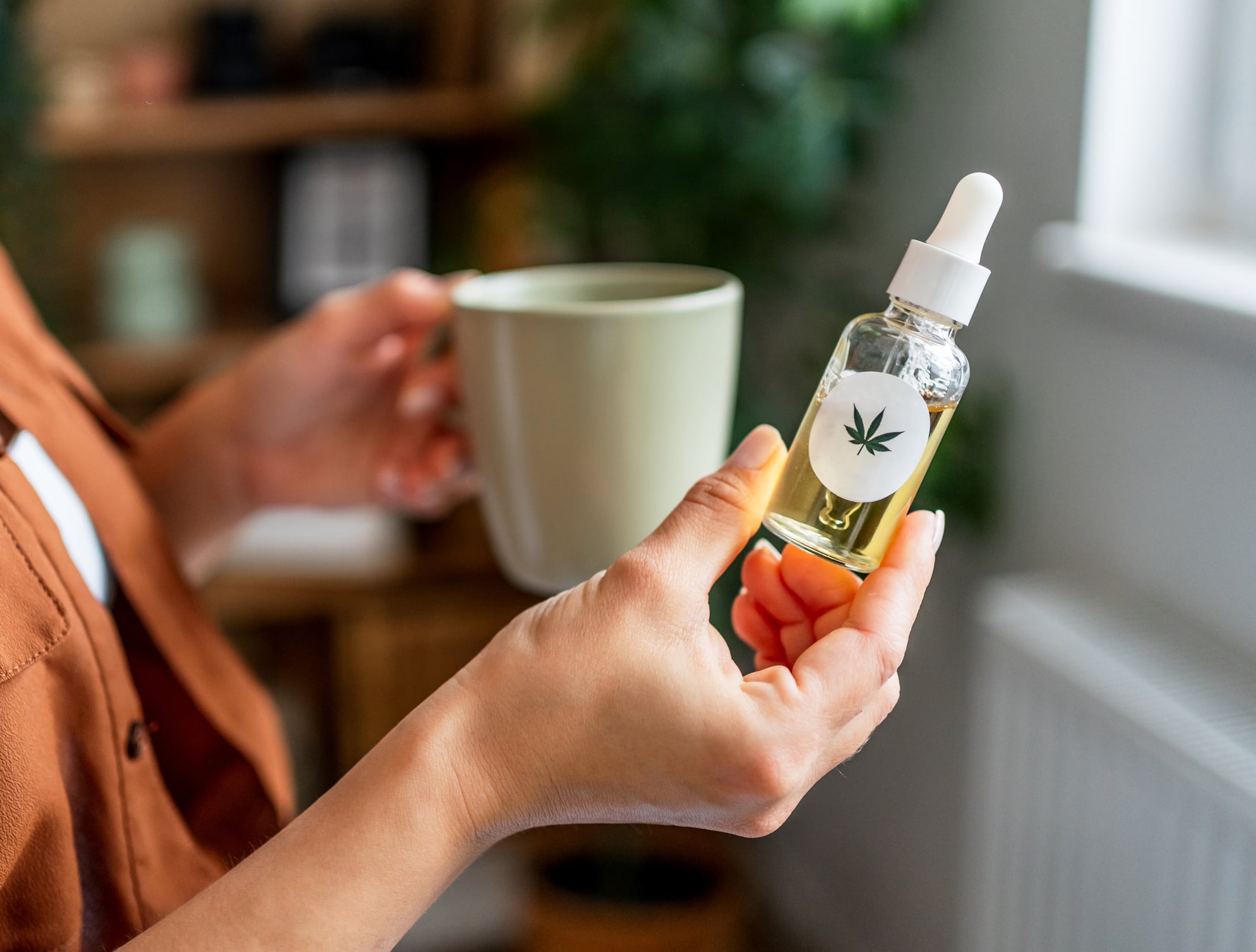
Additionally, cannabis is used as a legitimate resource for people during times of medical concerns. Hastings, for instance, first turned to cannabis in 2011 while battling Stage III breast cancer and given a 28% chance of living to see five years. She calls using cannabis during that time in her life an “absolute angel of a plant” that got her through the toughest part of her life.
She continues to use today and says that much like other adults relax with a beer or alcoholic beverage, cannabis helps her “relax at the end of a day, sleep better, and manage life.”
To Hastings, discussing cannabis with your kids is similar to any other conversation you have with them about the differences between adults and kids. Adults can drink, drive cars, go to work, etc., and we can find ways to normalize those discussions, so weed use can be no different. “Be honest,” she suggests. “Kids are smarter than many adults give them credit for. You can say it’s something you enjoy, and it helps you relax, but it’s only for adults.”
Demystify Weed
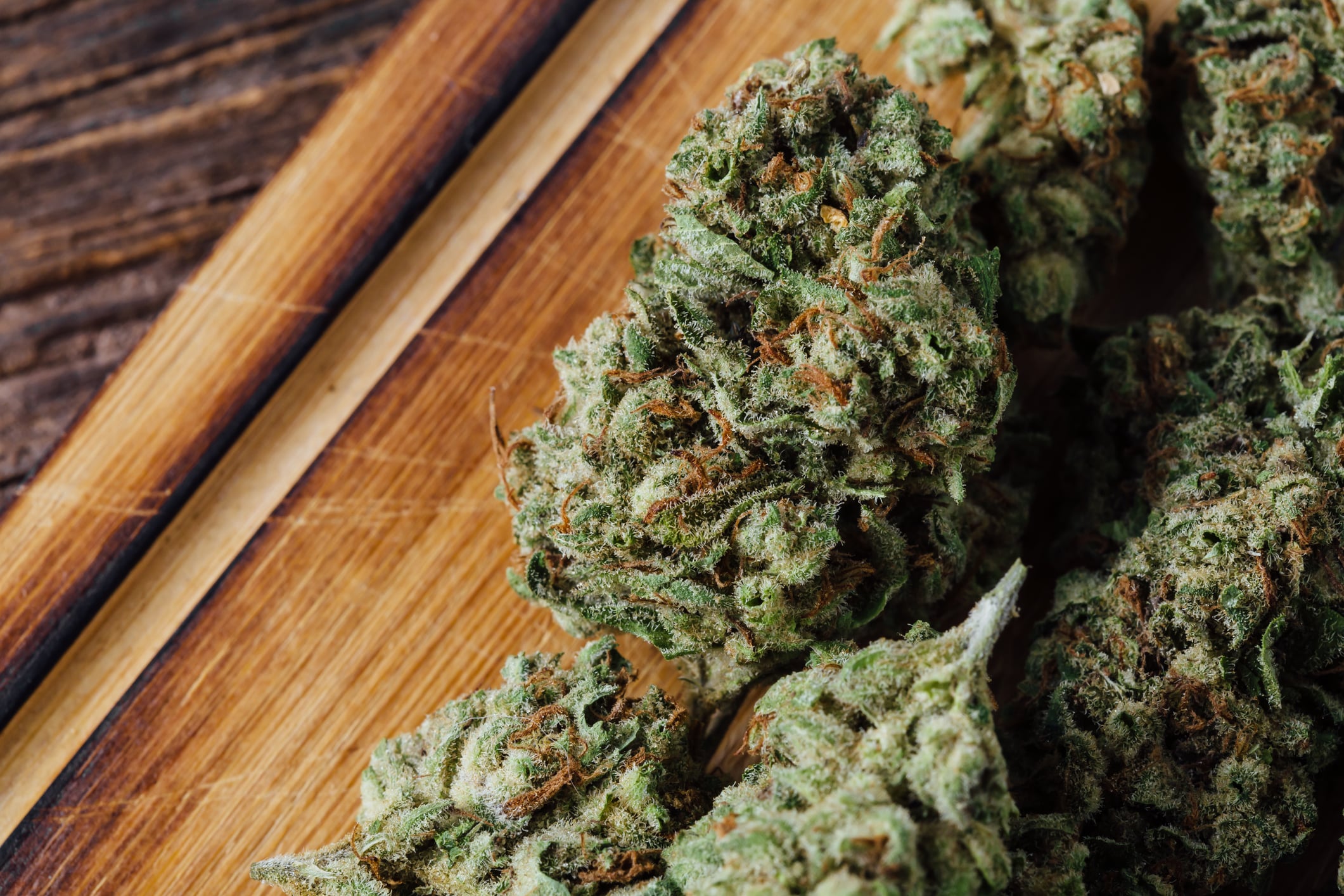
We love Pash’s suggestion that parents should focus on demystifying weed. The bigger the mystery surrounding cannabis, the more misconceptions and even potential for misuse among kids can occur.
“Talk to your kids about it the same way you’d talk to them about alcohol or prescription medication,” she says (in an age-appropriate way, of course.) “Demystifying it while setting clear expectations works so much better than hiding it and hoping for the best.”
Talk to Your Kids About Mental Health
One of the bigger conversations that a parent might consider having with their kids (again, in age-appropriate ways) is how substances of any kind can be abused in light of mental or physical conditions that require support.
Pash is a big advocate of ensuring that if you’re using pot, you don’t use it as a substitute for another form of support, clinical or otherwise, that you may need. “I’m a licensed therapist and a dispensary owner, and I take both seriously,” she says. “Be intentional, store it safely, know your products, and don’t use anything, cannabis, alcohol, or anything else, as a substitute for actual support.”