It cannot be summer break without us parents stressing about our kids’ summer slide. You know, the learning regression that happens when kids aren’t in school most of the day and pick up all the wrong habits that come with unstructured time during their longest break. It’s real too: Research shows that kids lose between 17 and 34% of what they learned over the year during the summer. But it doesn’t have to be that way. What if I told you that with just 10 minutes ever weekday, kids can stay sharp and school-ready all summer long?
A little consistency goes a long way. These bite-sized daily habits take just 10 minutes each, fit seamlessly into even the laziest summer days, and are low-key enough that kids won’t even feel like they’re “doing school.” They’re small, smart rituals that keep little brains humming all summer long. Back-to-school won’t feel like you’re starting all over again!
Use IXL, a subscription-based K-12 learning platform.

 Shop now
from
Shop now
from
IXL is our go-to when it comes to avoiding the summer slide. The personalized learning platform covers math, language arts, science, social studies, and Spanish for Pre-K all the way through 12th grade. With more than 1,300 video tutorials, lessons, and real-time feedback to support independent learning, it’s designed for independent learning, so you can get them on their way and trust that they’re learning what they need to. What makes IXL especially great as a daily habit tool is its built-in diagnostic: It figures out exactly what skills a child has mastered and what they need to work on next, then serves up targeted practice accordingly. Kids earn awards as they go, which keeps the motivation up without any nagging from you. This is why 1 in 4 U.S. students and in 96 of the top 100 school districts. But it’s not just for schools; any family can use it at home, and for summer. It’s a game-changer. As a member, you’ll get full access to 17,000+ K–12 skills across core subjects. A quick session before screen time or after lunch is enough to keep their reading and math skills sharp, so back-to-school doesn’t feel like starting from scratch.
Memberships start at $9.95 per month, but during their summer sale (now through June 20, 2026), get 25% off sitewide!
Read out loud each morning.
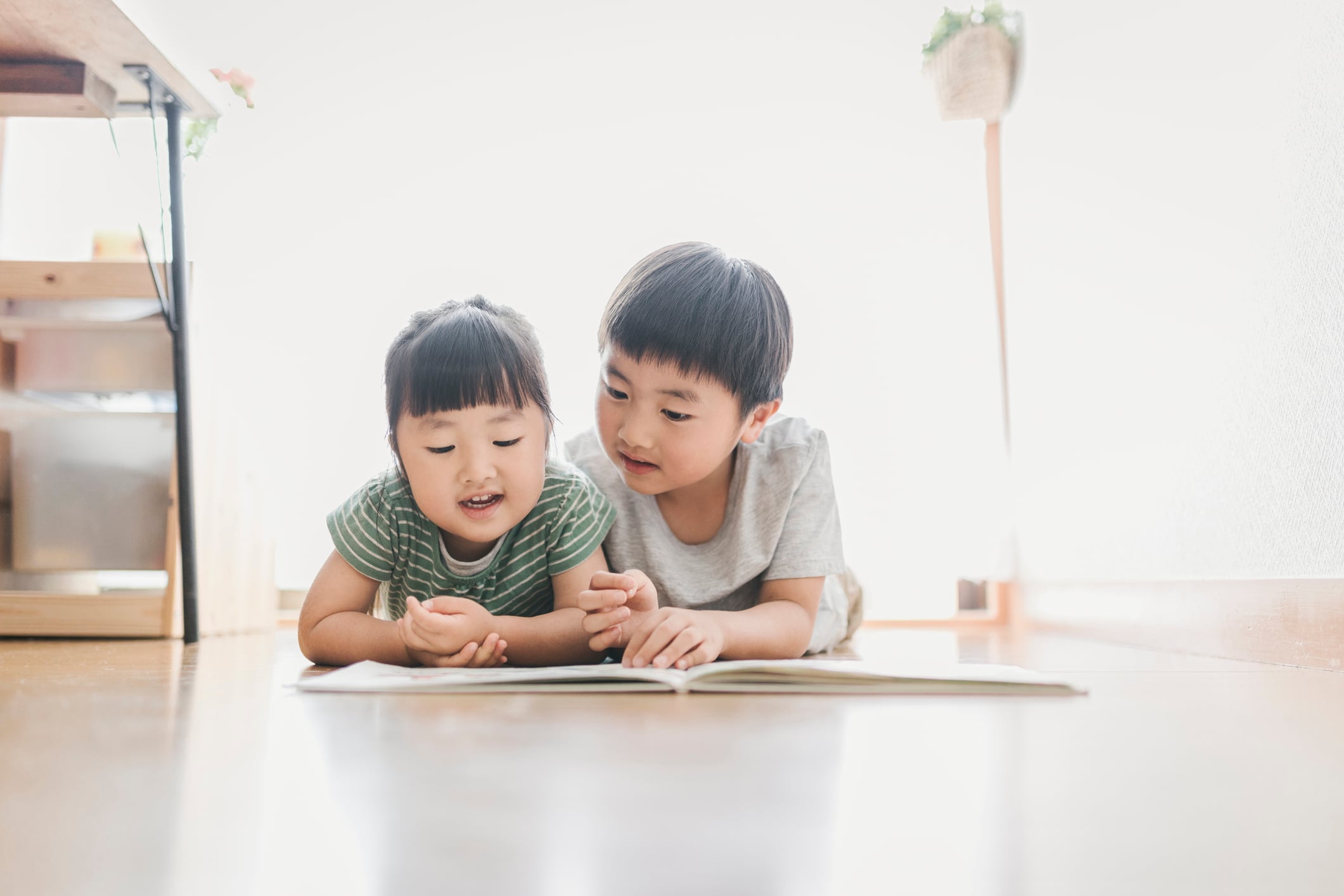
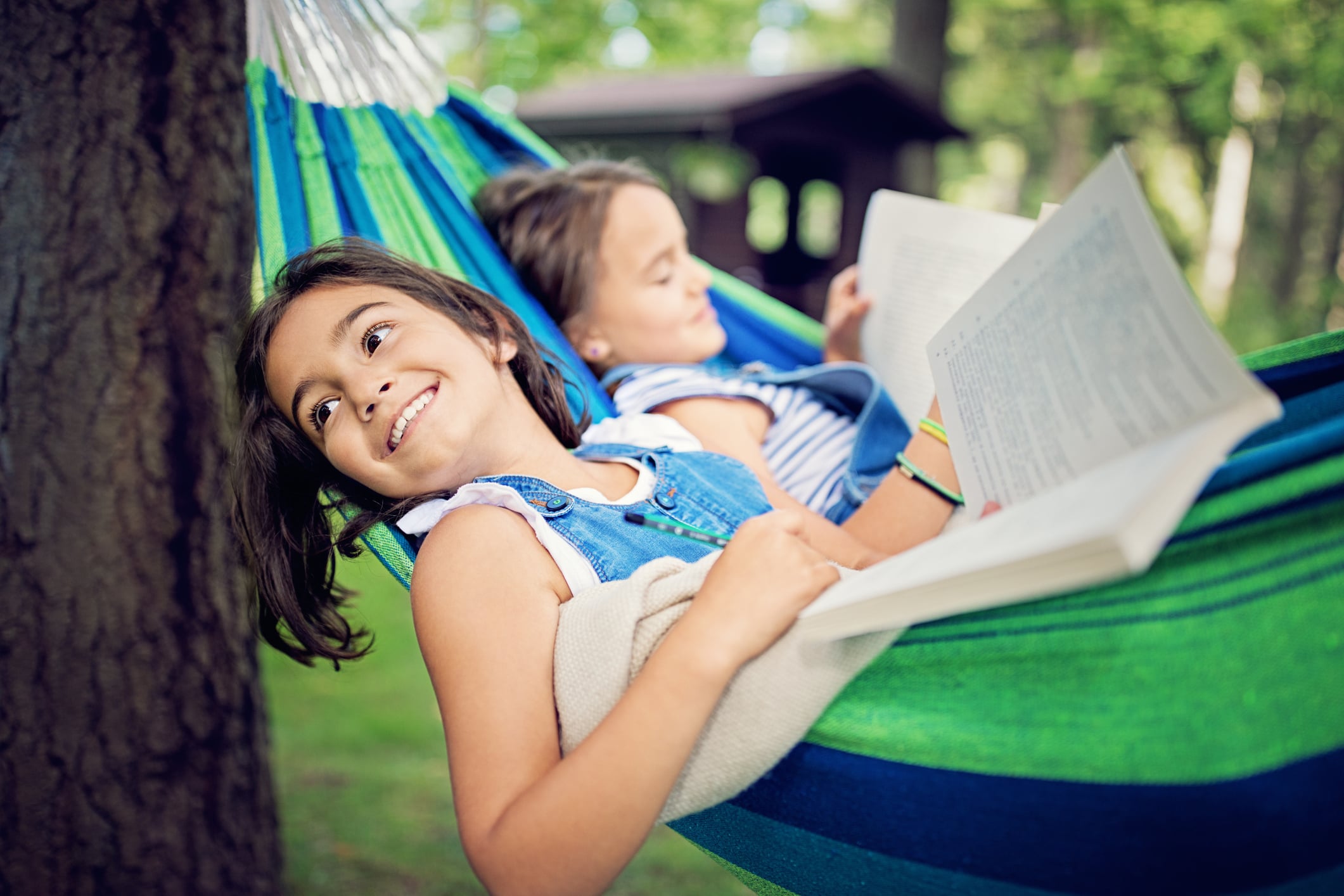
Before screens come on, everyone reads for just 10 minutes; it can be out loud for the younger kiddos or to themselves when they’re a bit older. It keeps reading fluency strong and can become a cozy morning ritual. Summer reading plays an important role in helping prevent the summer slide, and keeping a some great books from the library on hand means kids always have something within reach. Let them pick whatever they want, whether it’s comics, graphic novels, or magazines — it all counts.
Do math for a few minutes each day.
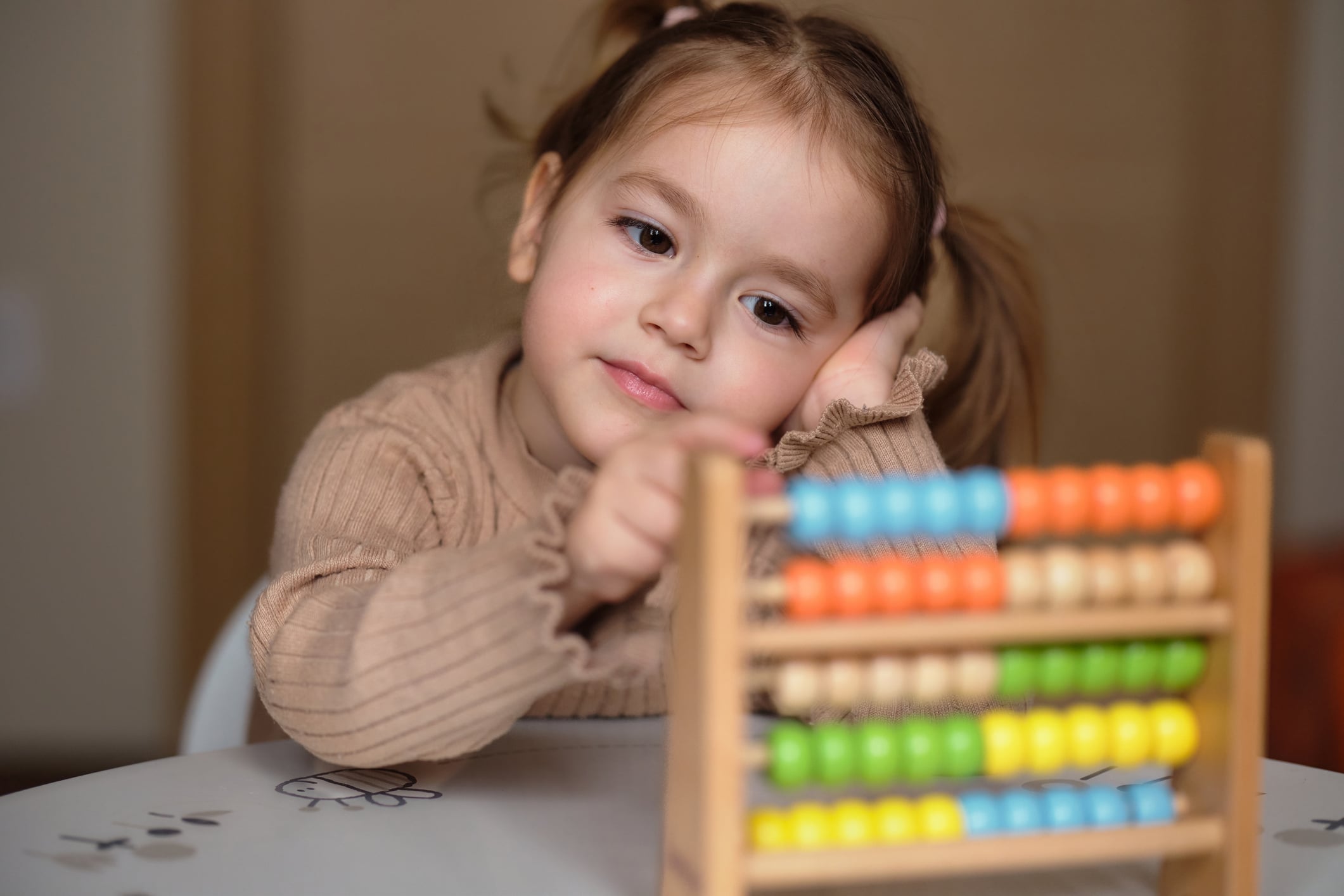
Ten minutes of mental math doesn’t have to look like a quiz. Play “grocery store math” while unloading bags, estimate how many steps to the mailbox, or quiz each other on multiplication facts during a car ride. Cooking a recipe together is a great way to build math skills: measuring ingredients, doubling a batch, or halving a recipe sneaks in real arithmetic without anyone groaning. You can even make it a game, like giving small rewards for answering different math questions correctly .
Journal daily!

Give kids five minutes to write (or draw) about one thing from their day, one thing they’re looking forward to, or one made-up story starter. Getting kids’ input on what they do each day helps them feel in control and empowered, and journaling builds writing stamina that pays off big in September.
Follow a simple check-list each day if possible.
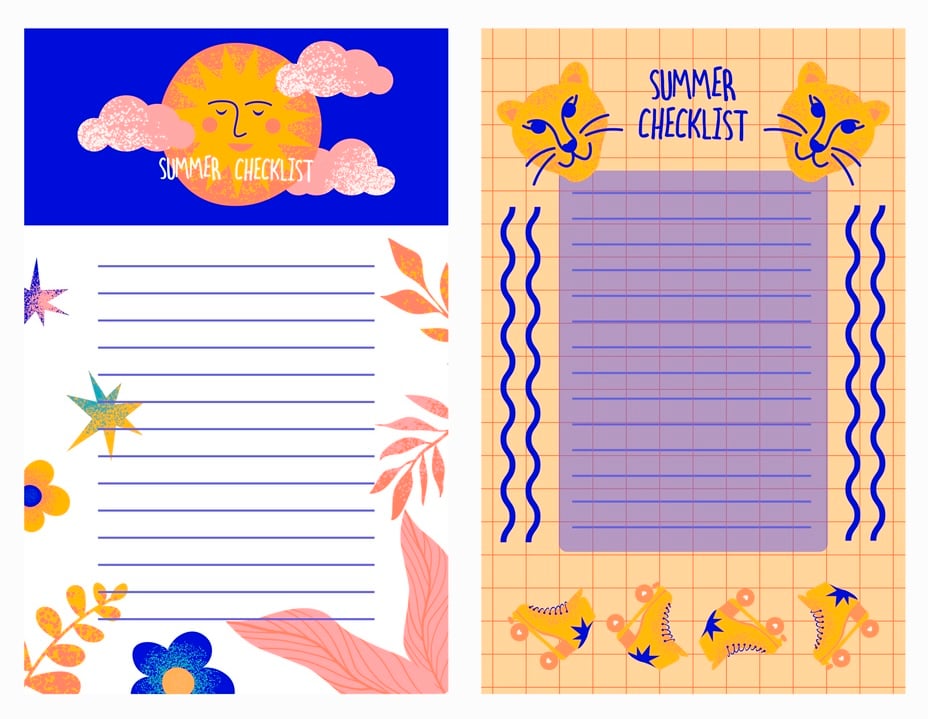
Give each kid a simple daily checklist: get dressed, do one learning task, spend time outside, read, do one chore. Then, let them manage it themselves. Laminating a checklist and hanging it in the kitchen with a dry-erase pen is a game-changer; kids know what’s expected, and screen time becomes the reward for finishing it, reducing nagging significantly. It also quietly teaches time management and self-regulation — two skills that are essential for when school starts up again in the fall.
They'll love this word challenge.

Pick a new word at breakfast and challenge everyone to use it at least once before dinner. It’s a tiny habit that builds a big vocabulary over 10 weeks of summer. Older kids can look it up themselves; younger ones can get a silly definition and a drawing challenge. And it makes dinner conversation a lot more interesting!
Make sure your routine includes a nighttime wind-down with reading.
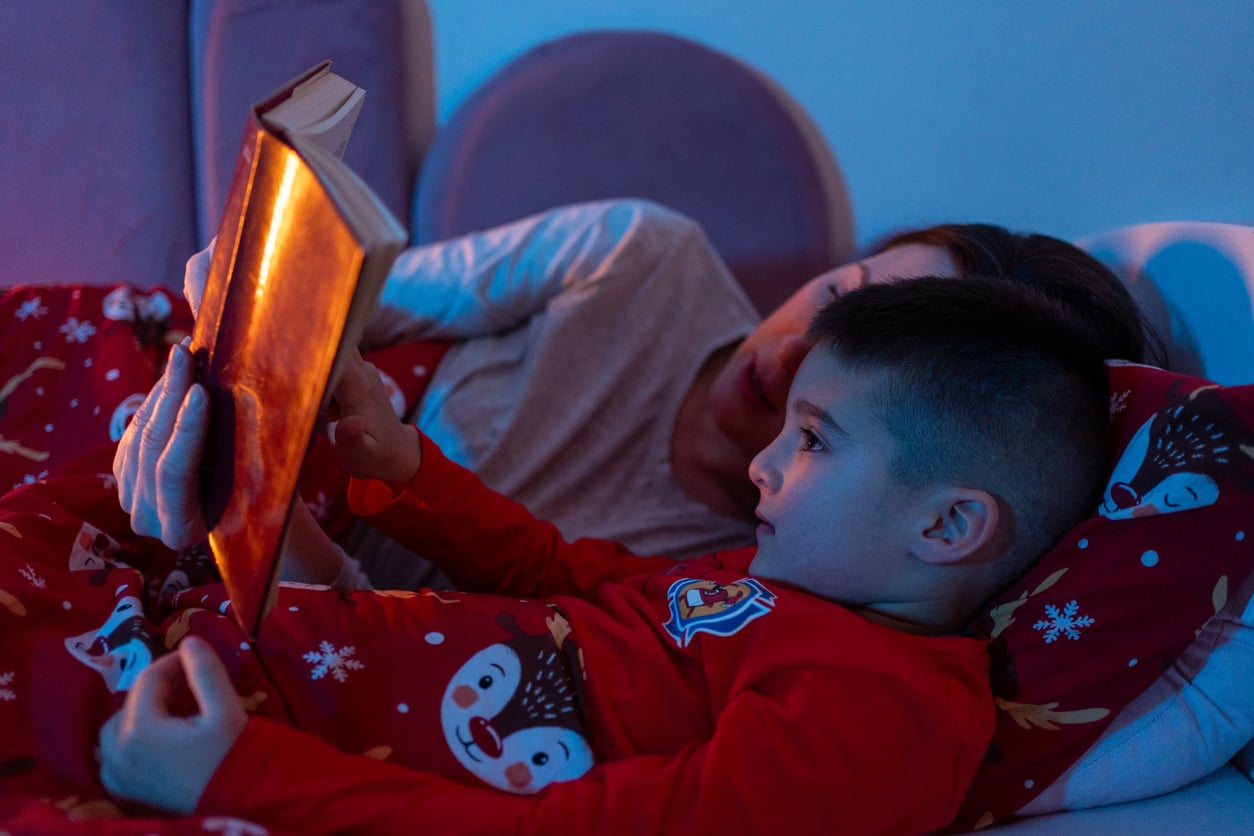
A calming pre-bedtime routine that includes reading — no screens! — supports better sleep, and school-aged children typically need 9 to 12 hours of shut-eye to maintain optimal health. Ten minutes of a chapter book before lights-out keeps kids in the habit of settling down at a reasonable hour, which makes the back-to-school transition far less brutal.
Make walks around your neighborhood include scientific observation.

A quick 10-minute walk around the block becomes a science lesson when you ask kids to observe and report: What bugs did you see? What did you smell? What’s different from yesterday? Summer is a great time to explore the local community, and this simple habit builds observation skills, curiosity, and the kind of focus kids need in a classroom. If possible, do this in a park or in a nature trail safely. But a stroll around the block, even if you live in an urban area, is just as effective if you make sure that observation is part of the equation.