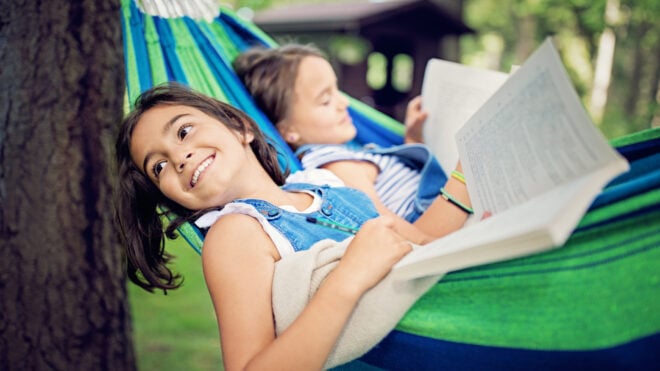
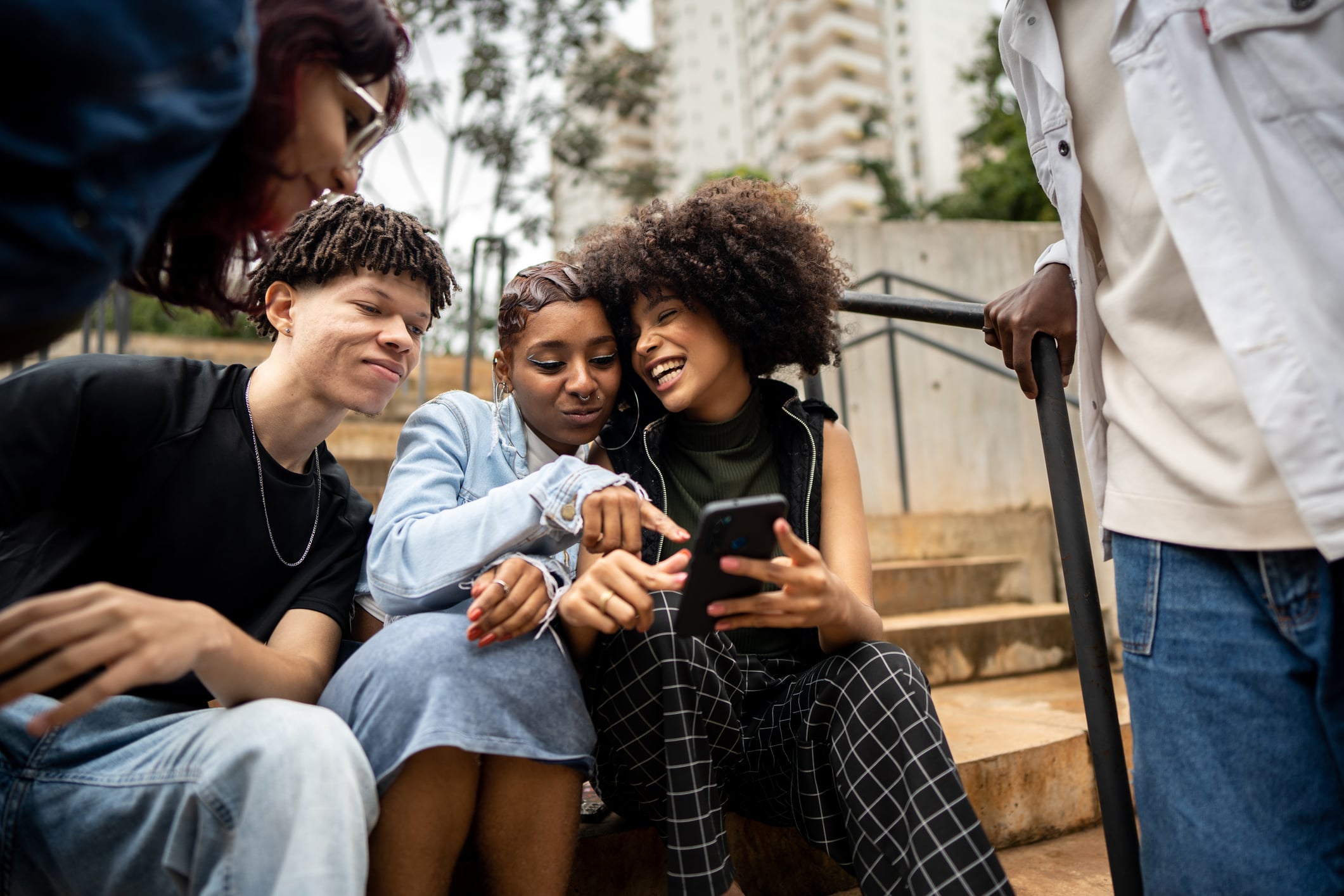
As adults, many of us have different “identities” we wear. There might be the work persona we put on, the “fun” identity we use when out with friends, or the nurturing parental side we show our kids. Wearing different hats is a part of life for adults, but we may not realize that it’s a normal part of life for our kids, too.
Especially for Gen Alpha kids, who have grown up in a world that’s ever-connected, developing micro-cultures online and in real life is a part of growing up. But that’s not necessarily a bad thing, says educator Stephanie Malia Krauss, author of How We Thrive: Caring for Kids and Ourselves in a Changing World. In fact, she points out that kids learning how to create their own cultures — separate from adults — is a key part of childhood.
“Finding kid-only spaces is a fundamental feature of childhood and adolescent play,” she explains.
So, as a parent, what can you expect from your child in cultivating those adult-free cultures and spaces? Let’s take a closer look.
1. It's Normal for Kids to Want Adult-Free Online Spaces

Krauss explains that because the online world is a normal part of kids’ lives, it’s only normal that they will seek out aspects of the digital world that feel just for them. “For young people who have grown up as digital natives — meaning, they’ve only known a hyperconnected world — these spaces exist in-person and online,” she points out. “Kids are digital natives, and it is normal and developmentally appropriate to crave virtual spaces that look, feel, and sound like them.”
As an example of a kids-only digital culture, your child might ask for a Minecraft account, game with friends, or exchange pictures, videos, or voice messages (honestly, the audio messages are something I get, but don’t do myself as a parent) to stay connected without adults looking over their shoulders.
Teodora Pavkovic, Director of Wellbeing and Parent Advocacy at Qustodio, adds that another way you may see a child or teen show an interest in kid-only culture is through the language they use.
“Language is the key way in which teens have been creating cultures separate from the adult world for centuries; language is a vehicle for new cultures, but it also is a culture in and of itself,” she explains. Cultural phrases like “menty b” for a breakdown, “looking like a snack” to signal an attractive person, or “chopped” to describe unattractiveness, come into play as kids “try on” cultural relevance. (Or the way my teenage son constantly calls me “brah” comes to mind.)
As a suggestion: don’t try to use youth expressions. We’re adults, and it’s okay if we don’t fit in. In fact, that’s kind of the whole point.
2. Don't Panic if Your Kid Tries to Act Older Once in a While
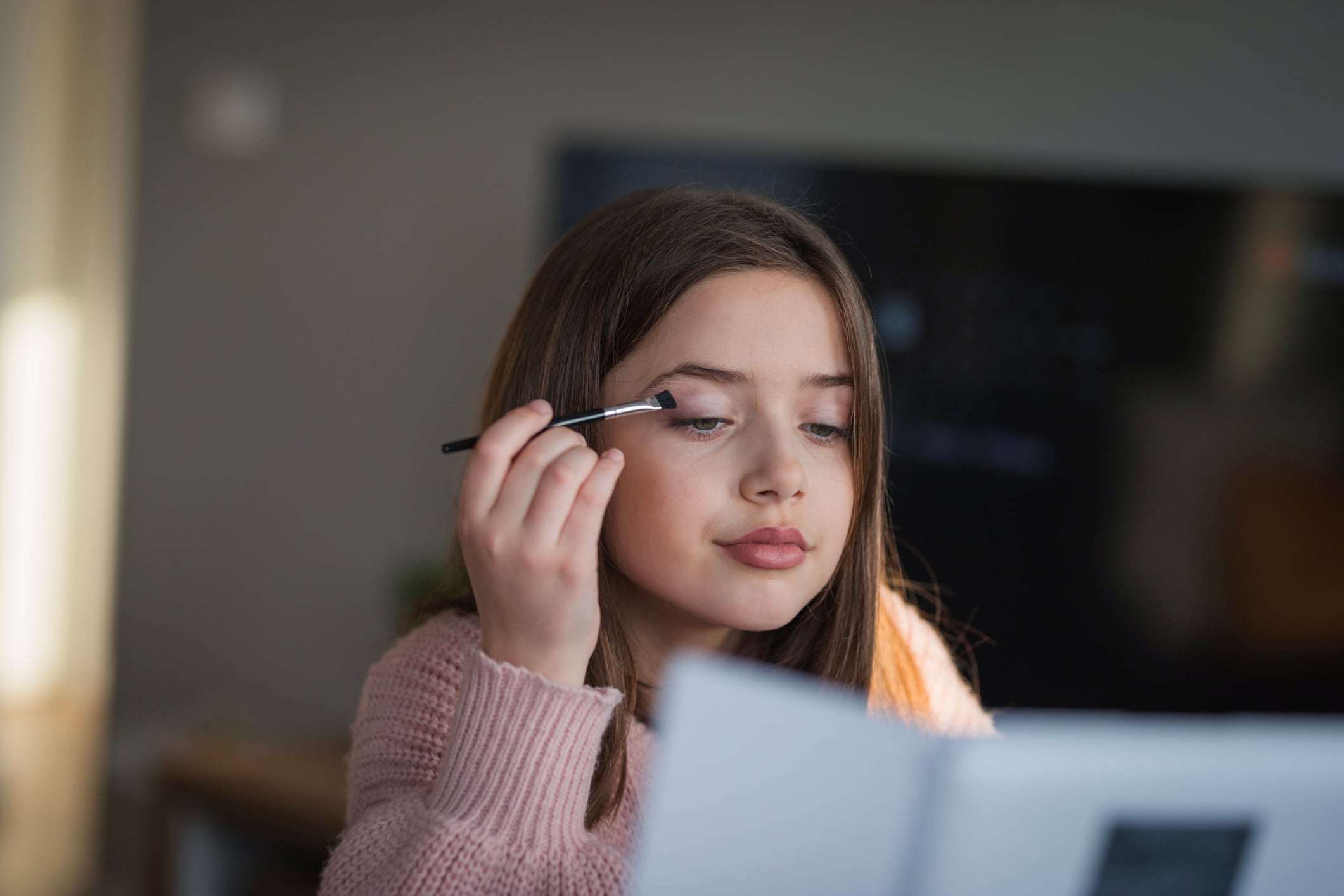
Krauss adds that if you notice your kid creating or seeking out a culture online that feels just a tad older than they actually are, you shouldn’t panic. (Well, at least not, at first.)
“It is normal for children to crave connections with older kids online,” she explains. “Throughout human history, children have played with older siblings and others as natural ways to learn and prepare for the future.”
If they can do so safely, allowing your kids space to create a culture online that lets them interact with older peers can have some benefits, she notes, adding: “Separate online, kid-only spaces can be beneficial when young people are safe, physically and psychologically.”
3. Think of Kid Culture as a Playground
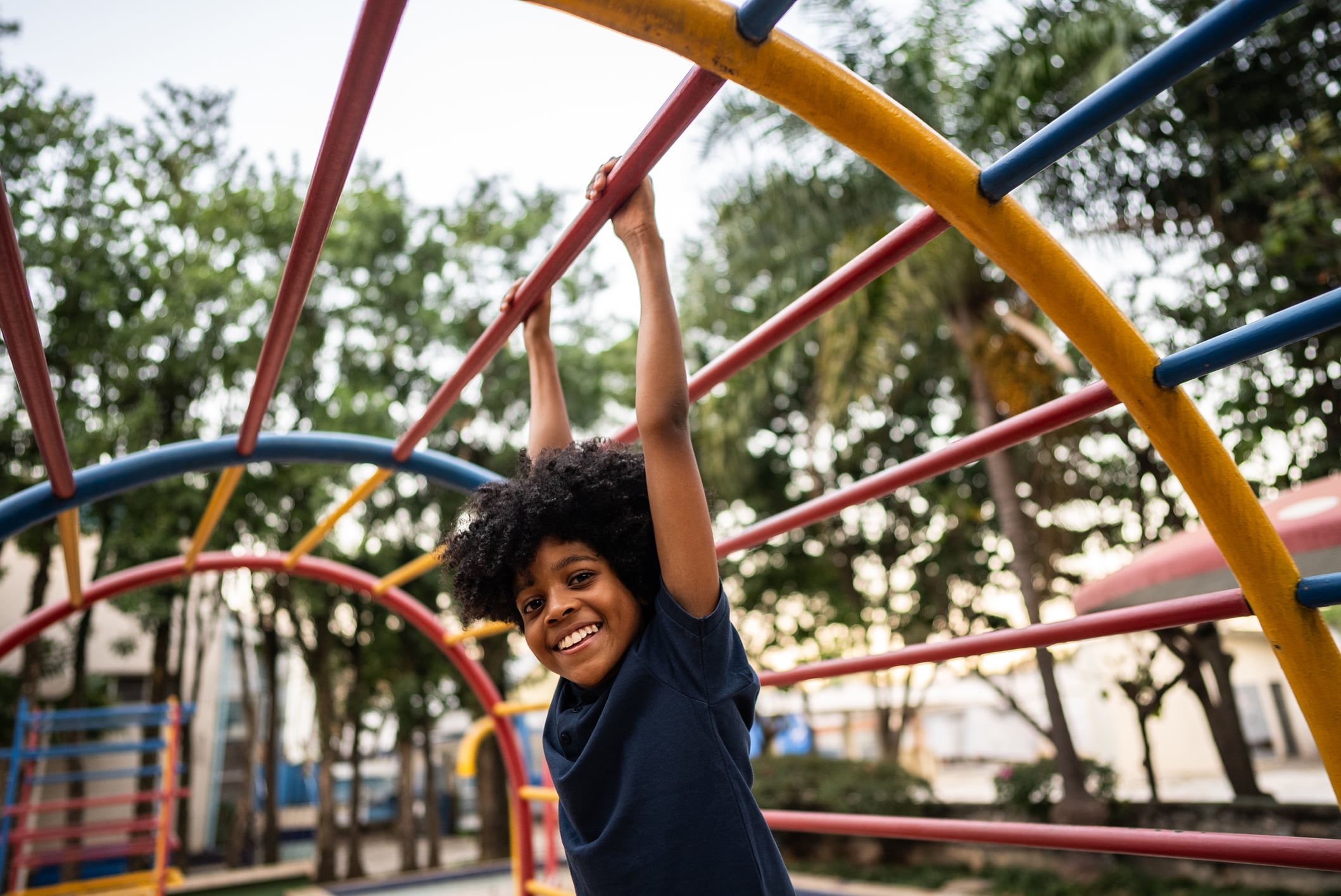
It can be challenging to think of your children out there creating an adult-free culture without you knowing anything about it, but Krauss encourages parents to approach any efforts their kids make to create their own spaces, digital and otherwise, as you did back in their playground days.
You’d introduce them to the playground, you’d set the ground rules, you’d supervise from a distance and intervene when necessary, but overall, your goal is to let them explore as independently as possible. Obviously, it’s easier when you can physically see and be at the playground, but the same idea applies to online spaces.
“Think of this like playgrounds and parties,” Krauss suggests. “Younger kids require more supervision, instruction, and intervention. Older kids need to know the rules and have practice playing on the ‘equipment’ they are using. Our oldest kids need honest conversations and parents they can trust and talk to if something goes wrong. Kids need their parents and privacy.”
4. Always Ensure IRL Culture Happen Too

Yes, online culture will be a part of your child’s life in a connected world, but kids (and adults) are humans first, and humans require social connection to survive and thrive, Krauss stresses.
While online spaces can help kids connect and express themselves, she notes that anytime online spaces draw kids away from the in-person human connections and experiences they crave, it’s a flag that something is wrong. In those situations, “parental intervention or protection is needed,” she adds.
5. Creating Their Own Culture Can Help Kids Find a Voice

Creating adult-free cultural expressions, whether that looks like kids joining in on different types of culture, or exploring making their own, can help children develop who they are in this world, says Reshmi Basu, MD, Rady Children’s Health, Tustin, California.
For instance, Dr. Basu points out that doing things like creating content, trying on cultural expressions and languages, or even making a video of their “haul” can be an important developmental step that helps kids sort out who they are and encourages creativity. “It can help them develop their identity and find their voice,” Dr. Basu explains. “Making a video to tell a story or recording a podcast about something the child is interested in are great expressions of creativity.”
6. Just Stay Out of It (When It's Safe)

The bottom line is that, when you really think about it, the entire point of childhood and adolescence is to create a culture separate from us as adults. As painful as that is, it’s called growing up.
“The cornerstone of healthy parent-child attachment is the eventual, inevitable separation required for the child to become an independent, responsible, competent adult,” Pavkovic sums up. “And this separation begins much earlier than many people realize; from the moment we learn to crawl, we’re trying to find safe ways to create a healthy distance from our caregivers. As we grow, that distance grows too. So, parents should support their children’s attempts to create a space where they can be their own person, while, of course, helping them balance those healthy amounts of safety vs. risk in the process.”