

Every generation does things a little differently from the generation before it. Take, for instance, millennials: we tend to parent differently than our own parents, we straddle the line between embracing technology and well remembering life before it, and we are known for our seemingly anti-aging properties.
Many of us millennials are also raising Gen Alpha kids, children born between 2010 and 2025. Gen Alpha is the first generation of “digital natives,” meaning they’re the first group of humans who were born into a world where the internet always existed.
Technology is obviously a part of their lives, but in what other ways does Gen Alpha differ from other generations? Let’s take a closer look at the unique ways Gen Alpha approaches school, friends, and creativity.
1. Influencers Are Their Celebrities

Zak Ringelstein, co-founder and CEO of Zigazoo, a kidSAFE-certified social network app specifically designed for kids, pointed out something interesting to me when we chatted about the next generation of kids. Unlike millennials and probably even Gen X and boomers, Gen Alpha looks to influencers as celebrities, not the other way around. While we may well remember obsessing over a celebrity who would then appear on a Wheaties box, for Gen Alpha, creators and influencers become their celebrities, not the other way around.
“The monoculture comes from creators now,” Ringelstein explains. “The creators are their celebrities. Kids are often more obsessed with a 15-year-old YouTuber than with someone making a Marvel movie.”
As a millennial mom of Gen Alpha kids, this realization kind of blew my mind, because it is so true. My kids do not have the celebrity idols like I once did (although I would argue that many athletes become celebrities), and they really get their inspiration and aspirations from a mix of different sources.
Writer and educator Cindy Marie Jenkins, from Orlando, points out that while our generations had more clear boundaries around marketing, advertising is woven into the influencers and creators our kids admire, so it can be confusing.
“They have grown up feeling much closer to their idols and creators, and that also brings with it a serving of healthy skepticism towards their media as well,” she says. Parents can help by engaging in ongoing dialogues with their kids, like the reality of money in relation to Mr. Beast, and how the editing of a video or even a reality show can change its meaning. It’s hard for even many grown-ups to stay immune to the effects of good marketing, and families can help each other figure it out.”
2. They Can Be Kinder
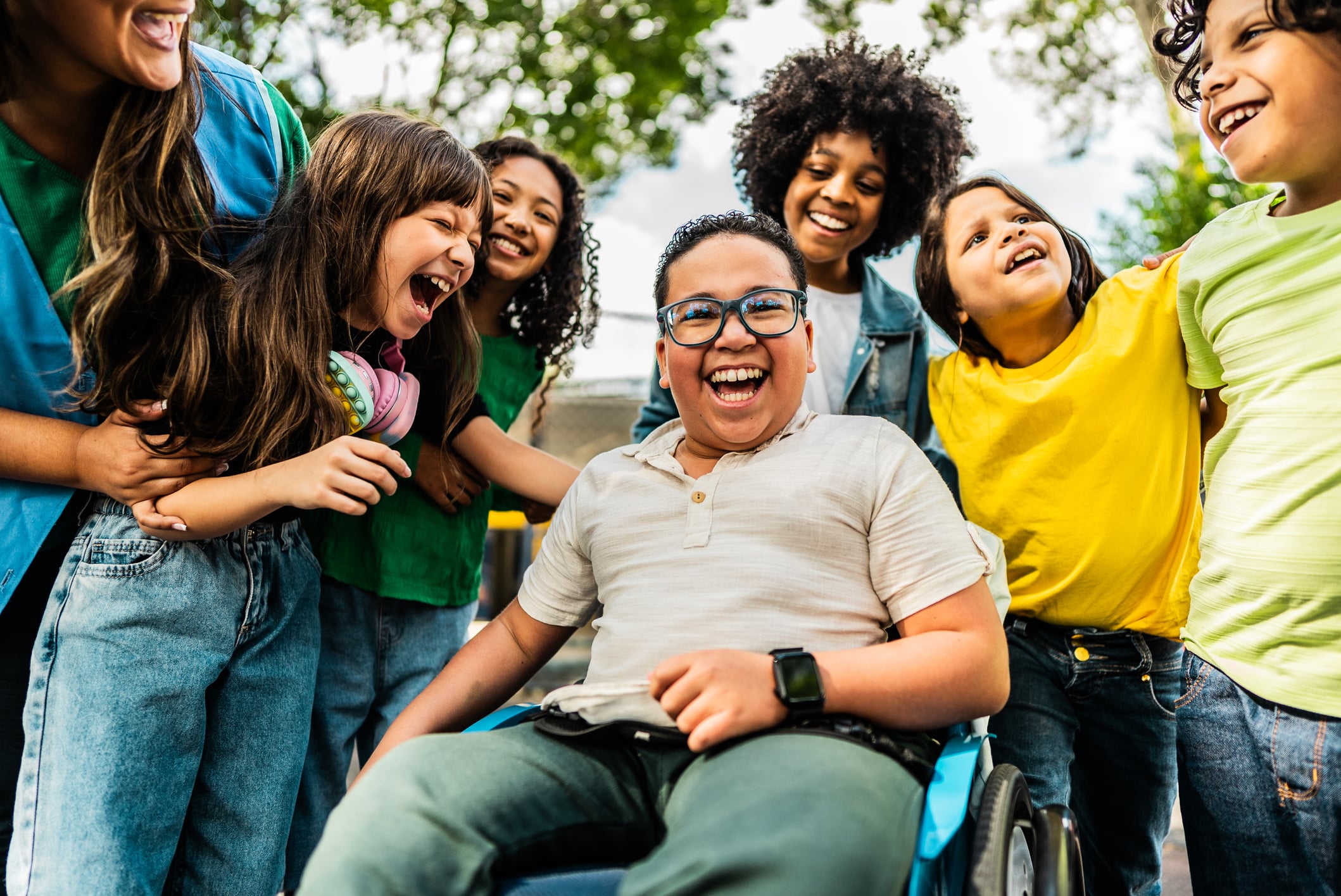
This is a generalization, of course, and it’s clearly not across the board, but many Gen Alpha parents reported noticing a general softening and acceptance among kids, especially those who attend public school. With an increased awareness about bullying and many schools implementing zero-tolerance policies for bullying behavior, some parents and even Gen Alpha kids report that the typical bullying and “clique” behavior of our youth is not as predominant.
“I have an 11-year-old boy, and I ask him all the time about things at school (is anyone being bullied, social dynamics, etc.), and he has said everyone just gets along for the most part,” reports Shannon J. Curtin. “‘I think we all matured,’ he said. He’s also very self-assured and self-aware, which I love.”
3. They Can Be Incredibly Self-Aware

Speaking of being self-aware, many of the experts and parents we spoke to referenced noticing this trait in their children. This one may be due to millennial parents who are also more self-aware and who have put in considerable time in therapy, more discussion with peers and professionals, or just access to more resources, but it does seem to be a defining characteristic of Gen Alpha.
Self-awareness can encompass anything from their personal traits to what makes them tick to even more savviness around technology and media. (Exhibit A: I’m pretty certain I’ve fallen for AI videos, but my kids can spot them instantly.)
Jen Cram, co-Founder of Pour Tous Skin, has noticed this trait in her Gen Alpha skincare consumers. “What we find so exciting about Gen Alpha is that they’re growing up with a level of awareness that most of us didn’t have until much later in life,” she says. “They care about ingredients, ask questions, and want to understand why something works rather than just being told that it does.”
“With Pour Tous, we see this every day,” she adds. “These kids aren’t just picking up a product because the packaging is cute. They’re reading labels. They’re watching videos about skincare routines. They have a curiosity and a sophistication that we think catches a lot of adults off guard. They’re also incredibly inclusive in how they think and don’t see self-care as gendered or limited to one type of person, which is honestly something the beauty industry has needed for a long time.”
4. They May Need More Time to Grow Up

While Gen Alpha may be more self-aware and inclusive, Stephanie Malia Krauss, educator and social worker, national expert on youth development, mom of two Gen Alpha children, and author of How We Thrive: Caring for Kids and Ourselves in a Changing World as well as the best-selling, Whole Child, Whole Life: 10 Ways to Help Kids Live, Learn, and Thrive, also explains a unique characteristic that many Gen Alpha kids will have: They may need more time to grow up.
Interestingly enough, she says, Gen Alpha kids can act and appear incredibly mature, such as in the language they use, how they carry and present themselves to the world, and even in the activities they enjoy (my teen, for instance, loves crocheting), but need more time to move into each development stage.
This seemingly contrasting dichotomy is due to the fact, says Krauss, that Gen Alpha kids have faced a lot of tough, serious life events like the pandemic, school shootings, divisive politics, and weather-related catastrophes, but being forced to mature faster doesn’t always mean they move into the next stage of development faster.
“The difference with Gen Alpha is that they are exposed to very adult things, and it ages them,” she adds.
Take, for instance, the pandemic: while kids were forced to deal with a scary reality and have their worlds turned upside down, it also led some kids to “freeze” in that stage of development, or miss a crucial transition into the next stage. You may have heard stories of some Gen Alpha kids not wanting to learn how to drive or being more reluctant to leave the house as young adults. And while there are complex reasons for all those, of course, Krauss notes that part of the reason is due to “aging and staging.”
“This is a phenomenon of the Gen Alpha Generation,” she says. “They are aging quickly and staging slowly.”
5. They're Very Creative and Love to Express Themselves

Aging quickly and staging slowly can have pros and cons, depending on how you look at it, but one positive aspect of Gen Alpha is that our experts and parents report that this generation is an incredibly creative one.
“They actually might be better equipped to handle hard things, to manage the stress, and [to get] back to kids being kids, we still see all of their incredible capacities for connecting with others and being creative and being playful,” Krauss explains. “They’re figuring out and finding really creative ways to still do that in our current context.”
For some kids, this might look like expression through digital means, like video and livestreaming; for others, it’s through clothing or fashion. The important thing for parents to remember is that although the medium may be different, self-expression and creativity for Gen Alpha are still very much alive and thriving—so it can help us as parents to support outlets for their creativity (safely, of course).