
If you were to take a peek into our family’s phone or iPad, you would find dozens of videos that my kids have filmed of themselves doing the most mundane things. My kindergartener, in particular, loves to take videos of herself reading books to her stuffed animals, doing “makeup” tutorials (spoiler: it’s Chapstick), or even just drawing.
As a parent, I find my kids’ urge to record themselves a little strange, but when I step back, I can certainly understand it. Kids may see screens and phones as appealing because, after all, their parents spend so much time on them, don’t they? They also grow up with older siblings or even popular media figures who share content about themselves online, so it’s considered a “cool” thing to do.
The appeal and the entertainment factor make sense. But what you may not realize is that your Gen Alpha child “performing” their life online could be an important part of their development, too. Here’s what to know.
Development is Social and Social Worlds Exist Online
Stephanie Malia Krauss, educator and social worker, national expert on youth development, mom of two Gen Alpha children, and author of How We Thrive: Caring for Kids and Ourselves in a Changing World, as well as the best-selling Whole Child, Whole Life: 10 Ways to Help Kids Live, Learn, and Thrive, points out that for kids, development happens socially, so because part of our world now happens online, it is normal for your child to want to record videos or have aspirations to be YouTube.
“Young people go online for the right developmental reasons: they are bored, want to socialize, create, or follow someone they like,” Krauss notes. “When kids can play, connect, create, and explore in healthy and safe online spaces, they tap into a bigger world that can offer rich learning and developmental opportunities that we don’t want them to miss.”
If a part of their social world happens online, and humans need to be social to develop properly, it makes perfect sense. That being said, Krauss cautions that all humans, regardless of age or development stage, need in-person connection first and foremost, so while it may be perfectly fine to let your kid film a “Get Ready With Me” video, make sure they’re getting plenty of offline connection too to round out their development.
It's Part of Growing Up
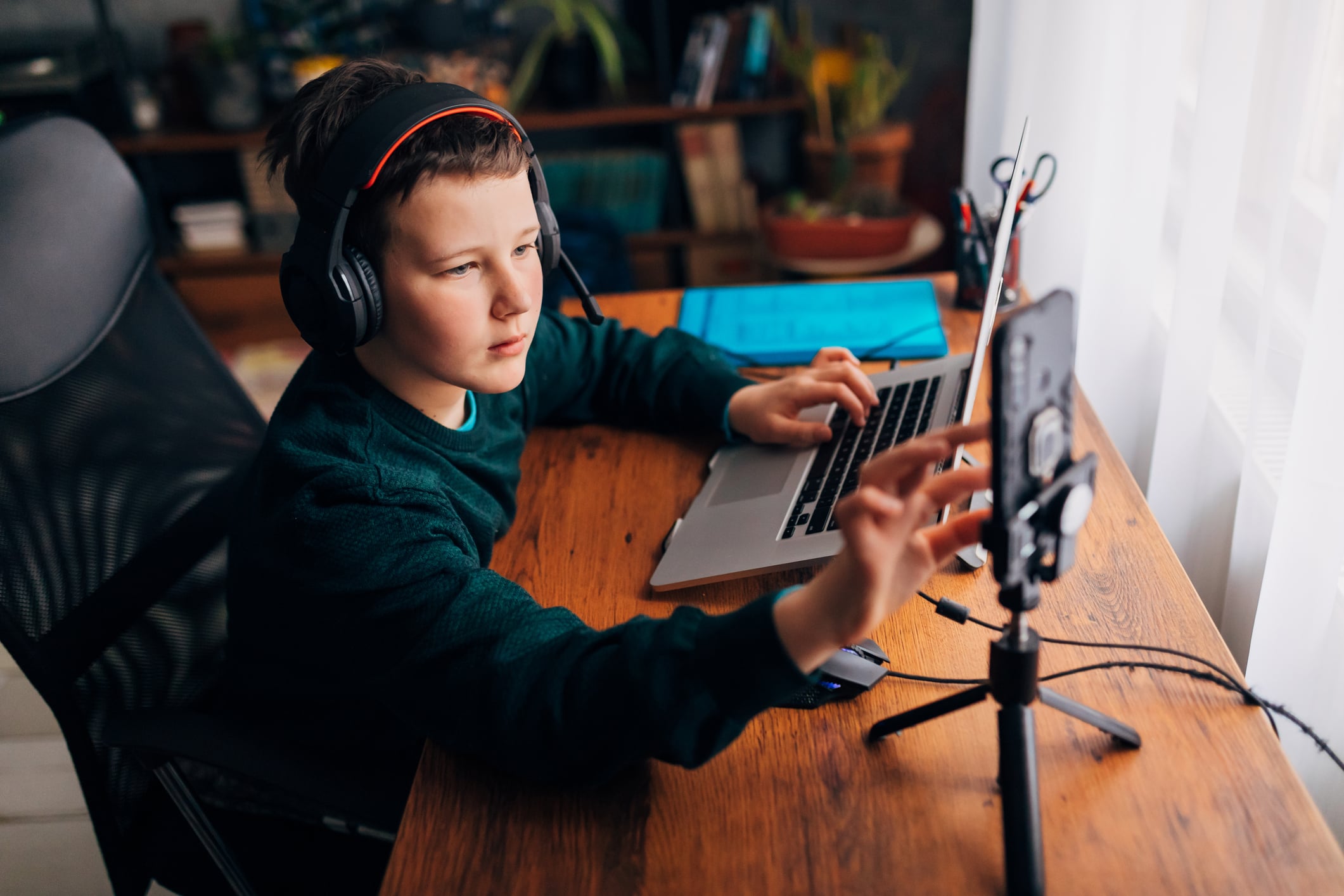
According to Reshmi Basu, MD, a pediatrician with Rady Children’s Health in Tustin, California, navigating the digital world is a necessary and inevitable skill that kids need to learn. “As more of our world moves online, kids must learn to live in that world safely with guidance from parents, teachers, and caregivers,” she says.
And while she certainly notes that parents should place reasonable limits on screen time, she adds that as children become school-aged, it is developmentally appropriate that they engage in creating online content. “It can help them develop their identity and find their voice,” Dr. Basu explains. “Making a video to tell a story or recording a podcast about something the child is interested in are great expressions of creativity.”
Plus, think back to your own childhood. If you ever put on a ‘show’ for your parents with your cousins or acted out theatrics during a family party, you, too, were engaging in sharing a piece of content with the world — it was just delivered in a different format.
Dr. Basu shares that her own child is part of the online culture that can support development.
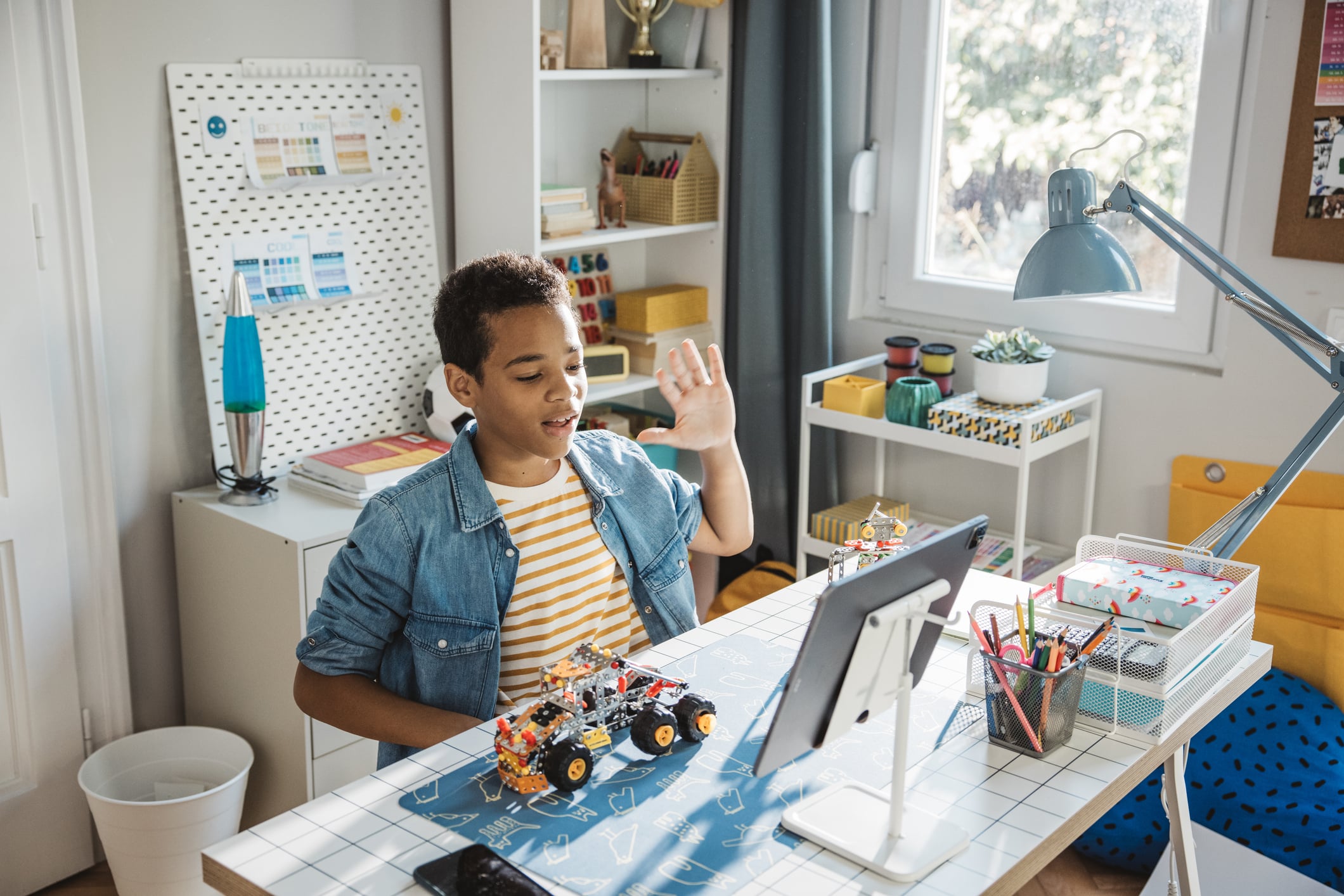
“My sixth grader, for example, was so excited to make a video with his friends about a robot they built,” she notes. “They weren’t just using a screen; they were learning technical editing skills and finding a creative way to share their hard work with others.”
Sharing Online Lets Them Try Out Different Forms of Self-Expression
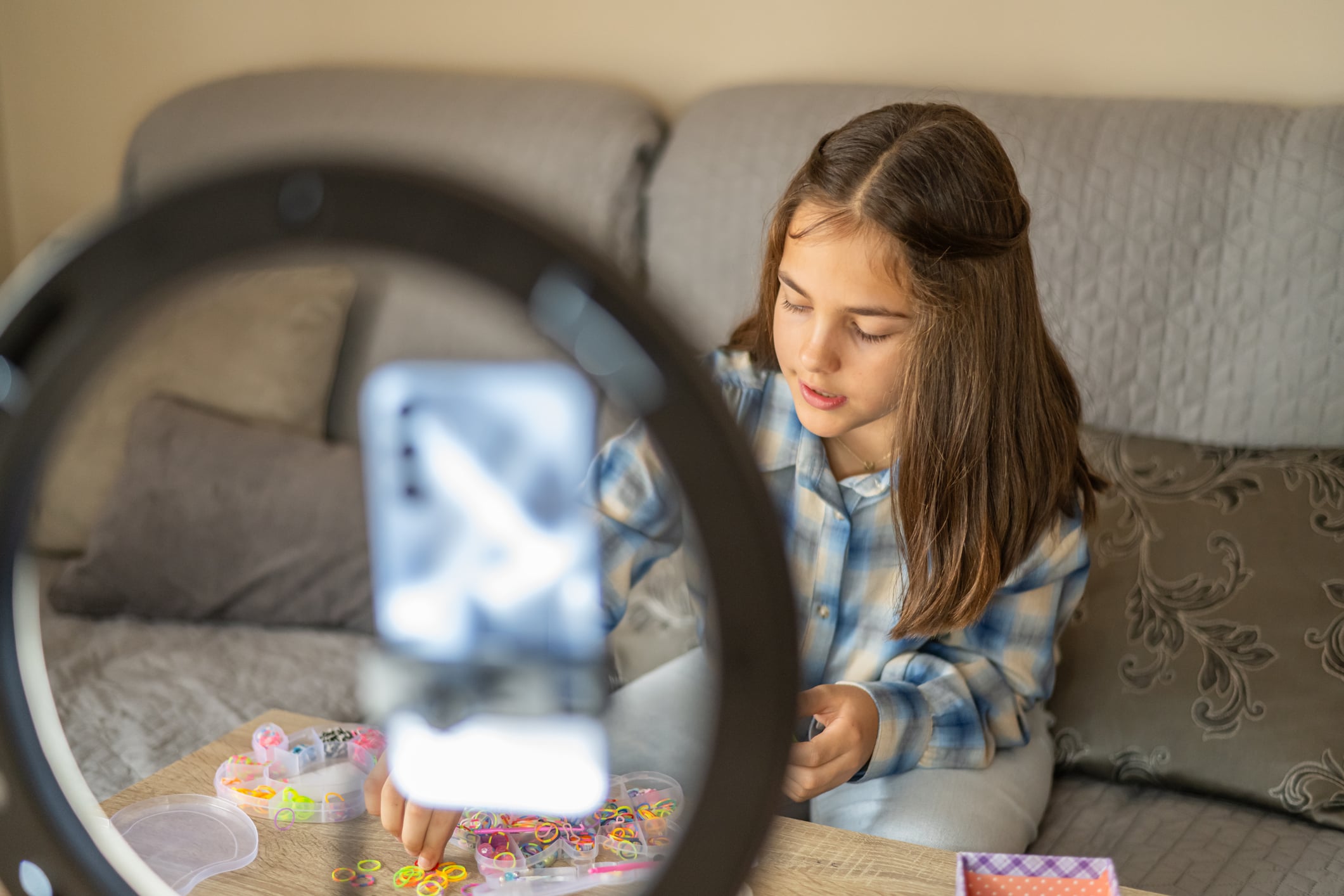
You’ve heard the phrase, “It’s just a phase, right?” Well, that’s in reference to the very normal different phases and stages that kids go through growing up. They are ways of experimenting with identities and forms of self-expression, and they can be perfectly normal and healthy.
For instance, the American Academy of Pediatrics lists “creativity” as one of the important developmental characteristics in grade schoolers, from ages 5 to 12, so reframing online performing as a form of creativity might help us, as parents, understand it a little bit better.
Sharing content online about their lives is a digital form of that expression, and in some ways can even expand a child’s horizons by allowing them to participate in groups outside of their physical limitations. For instance, filming a video about their art and sharing it in an online art community could be a form of self-expression for a child who doesn’t have access to art at school, or filming makeup tutorials could allow for connection for a child who may not feel comfortable wearing makeup at school (or simply chooses not to).
“Kids express themselves in a variety of ways,” explains Shannon Pickett, PhD, LMHC, Purdue Global. “Being able to show that creativity to others outside their peer group at school can be helpful and create a connection. A kid may have different interests than what their immediate academic setting provides, so being able to access a larger community via the internet can help with this and encourage the kid to continue to explore that creativity.”
Content = Connection
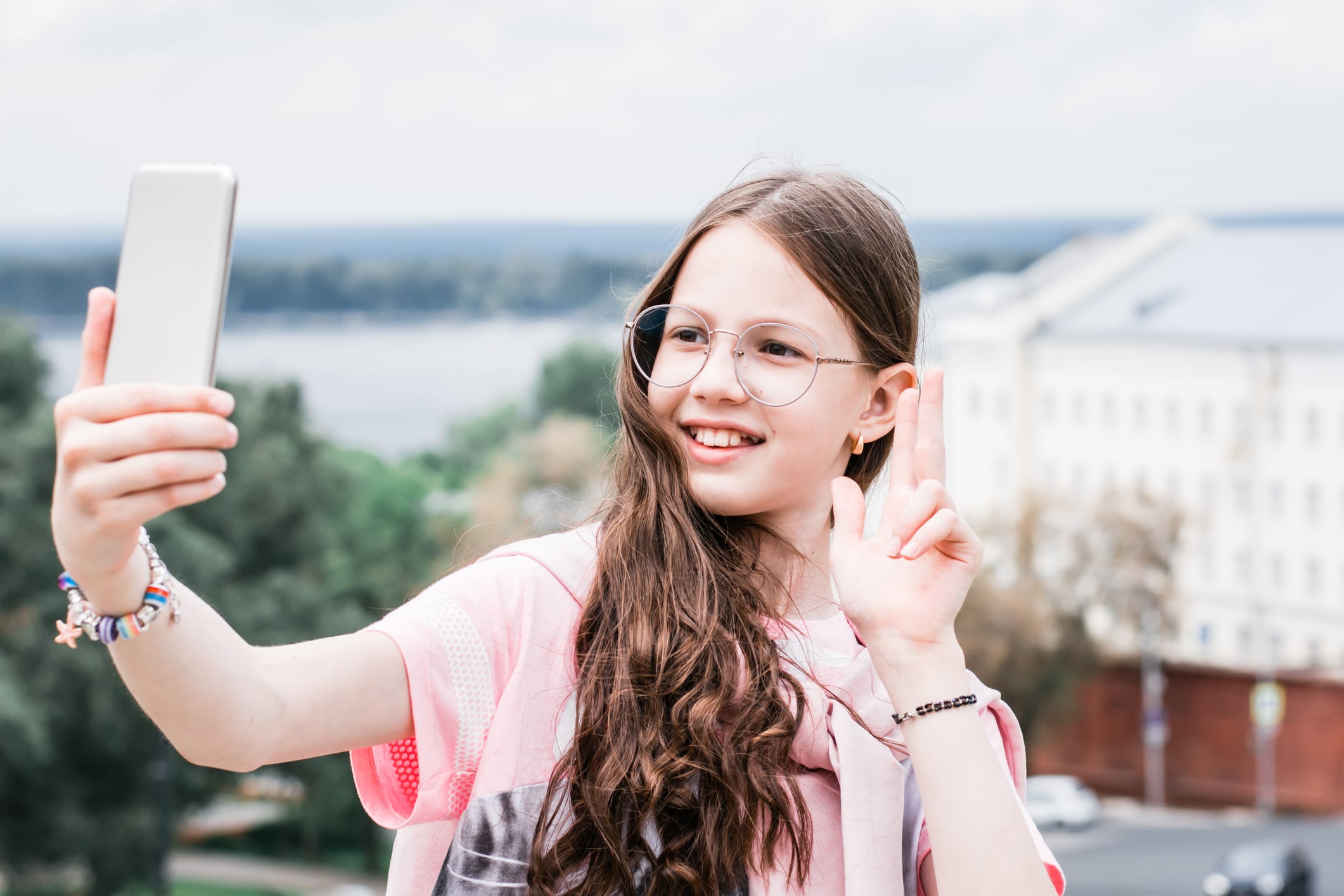
As an adult, if you’ve ever found yourself combing through Reddit at 2 a.m. to find people who have the same problem as you, you know that sharing snippets of your life online can be a source of comfort and connection. And it’s no different for kids, says Pickett.
“I have worked with many clients who have used different groups on Facebook to connect with others with similar interests or with similar diagnoses,” she points out. “For example, teens struggling with depression or an eating disorder. These social media groups have been very helpful in helping the teen not feel alone in their journey, and that there were other teens their age who were experiencing the same thing.” (Of course, monitoring, especially for sensitive subjects like eating disorders and depression, is always key when talking about adolescence and social media use.)
What's the Right Age for Letting Kids Share Content Online?

Dr. Basu explains that there is not one magical age at which parents can or should let their kids share snippets of their lives online. However, in general, she notes that late elementary school or middle school would be best for most children.
There’s one important caveat, however: Kids should first be able to understand digital citizenship before they are given more autonomy online, she stresses. And parents shouldn’t rely on school curriculum alone to cover digital safety, but have their own conversations with their kids and set clear boundaries.
How to Let Kids Express Themselves Online Safely

Depending on your child’s age and development, Dr. Basu encourages parents to consider allowing their children to develop content if they express interest, but keep it private, especially at first. “The goal should not be to garner ‘likes’ on social media for online content, but rather to create it for the child’s learning and growth,” she explains.
She also suggests that you be your child’s first fan and engage in the content, because not only will it help them feel valued, but it can also be a great way to open up the conversation about safety and digital boundaries. “Create an open environment where your kids feel proud to share their content with you and can also come to you if they encounter something challenging or unsafe online,” Dr. Basu says.
Parents should also view kids’ content and set clear expectations for what can be posted, along with ensuring their children know what to look for that would signal an interaction or content online is not safe, adds Pickett. Make sure your child has a game plan for exactly who to come to if they spot anything potentially unsafe.