Name Game
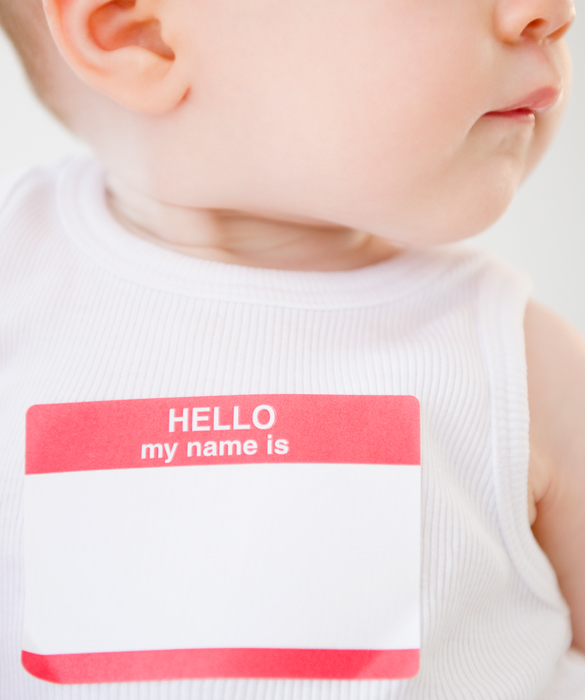
The concept of banned baby names may seem odd to residents of the USA—after all, our government allows everything from the bizarre (Heavenly Hiraani Tiger Lily) to the downright offensive (Adolf Hitler). (To be fair, little Adolf Hitler Campbell's parents did run into trouble with Child Protective Services when they complained about a supermarket's unwillingness to write his name on a birthday cake.) Nevertheless, for the most part, American parents have free rein. Elsewhere, this isn't always the case. Here are 11 countries which censor baby names, along with the names that were nixed.
New Zealand
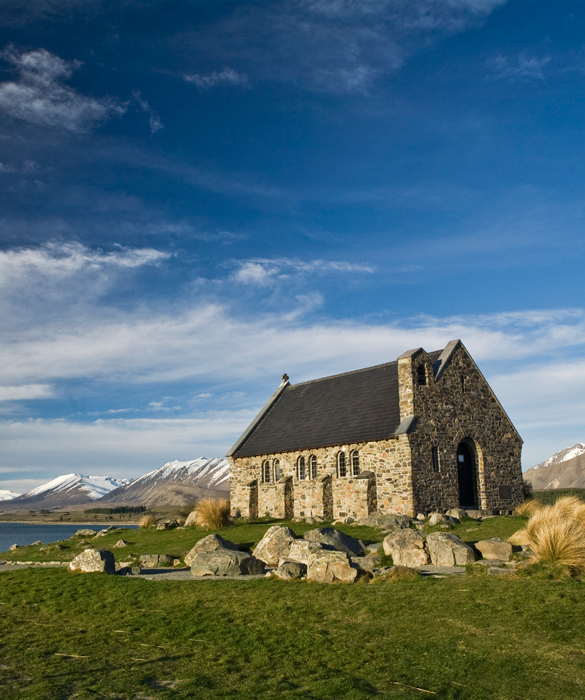
The Kiwis just came out with a list of all the names their government has nixed over the past 12 years. Their criteria: "Names must not cause offense to a reasonable person, not be unreasonably long and should not resemble an official title and rank." Some of the names that didn't pass the test: Talula Does The Hula From Hawaii, twins Fish and Chips, Sex Fruit and Twisty Poi.
Italy
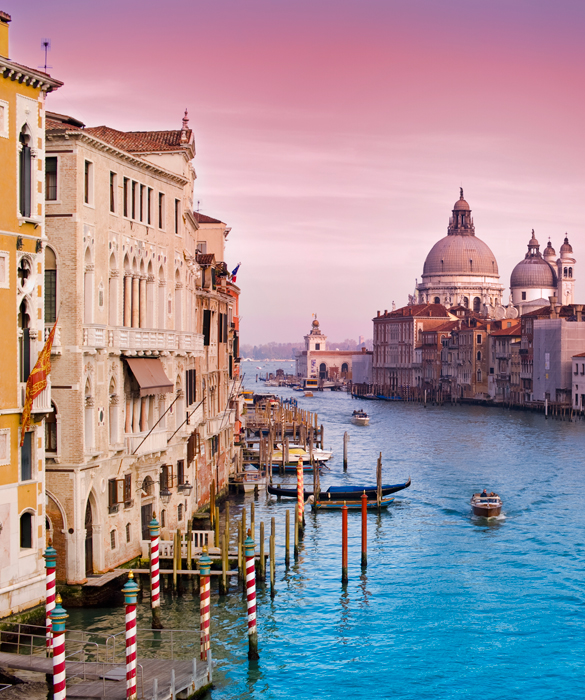
When Italian parents wanted to call their child Venerdi (translated as "Friday"), the top courts said no, as the name could expose the child to mockery. Since the name was taken from Robinson Crusoe, they worried it would be associated with "subservience and inferiority." The judge then ordered the baby be renamed Gregorio, after the saint's day on which he was born.
Sweden
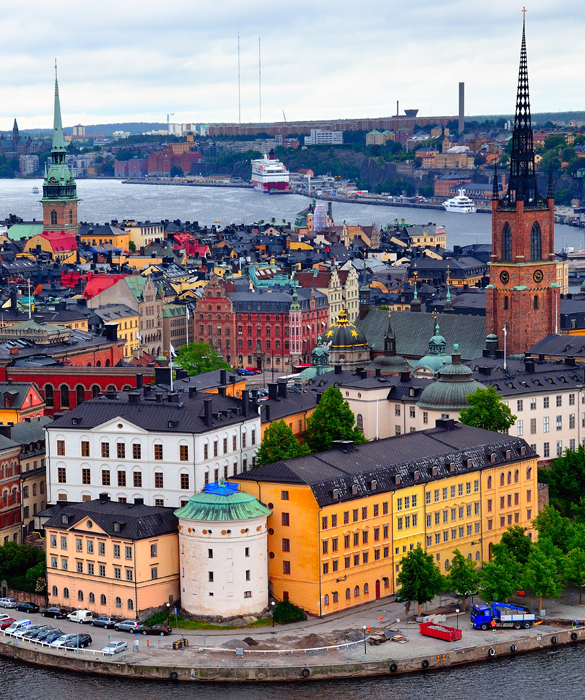
Enacted in 1982, a Swedish law bans names that "can cause offense or be supposed to cause discomfort for the one using it, or names which for some obvious reason are not suitable for a first name." At the time, the law was primarily meant to prevent non-noble parents from using noble names. In 1996, though, the law collided with the name Brfxxccxxmnpcccclll mmnprxvclmnckssqlbb11116 (pronounced Albin, obviously). The boy's parents said the name was "a pregnant, expressionistic development that we see as an artistic creation" which should be understood in the spirit of "'pataphysics." The courts said no.
Norway
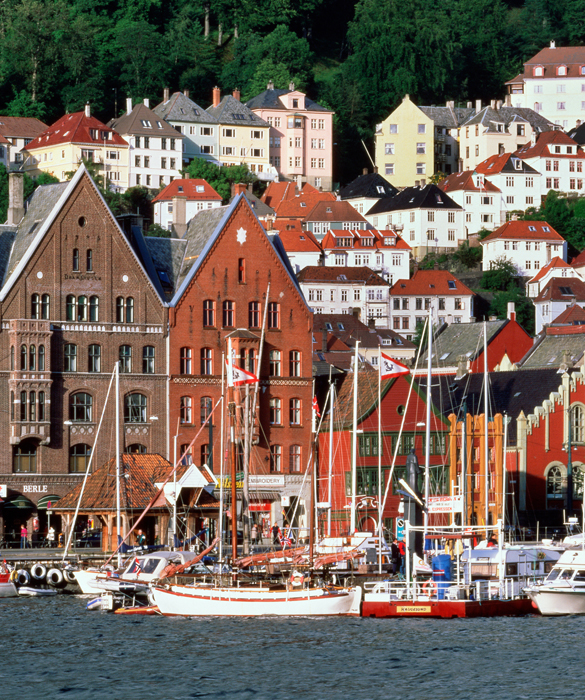
Norway has a list of names deemed acceptable, intended to protect kids from anything that looks or sounds strange. Wrold, Fridvall and Dits = fine. Gesher, though, didn't make the cut. A mom actually ended up in prison for two days after she refused to change the name, which came to her in a dream and is the Hebrew translation of "bridge."
Malaysia
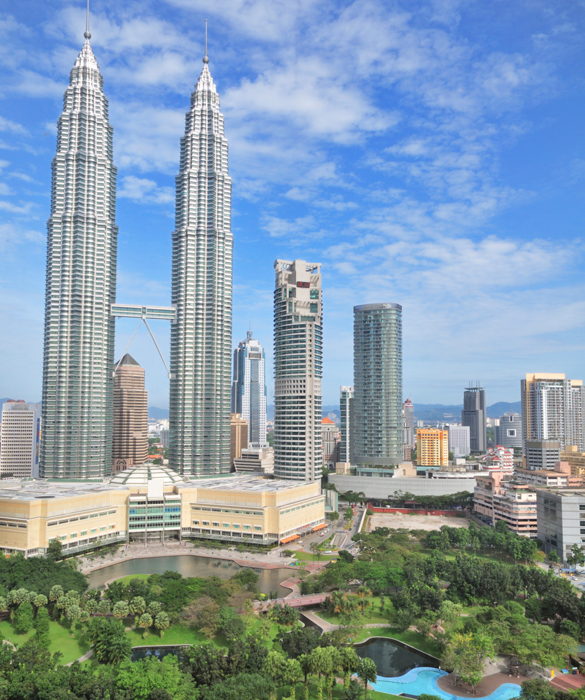
Name laws in Malaysia tightened up in 2006, and now disallow anything "undesirable." This category includes names like Chow Tow, which means "smelly head" in Cantonese, and Sor Chai, which is the Cantonese word for insane. Also unacceptable as names: animals, insects, fruit, vegetables, colors, numbers, royal/honorary names and Japanese cars.
Germany
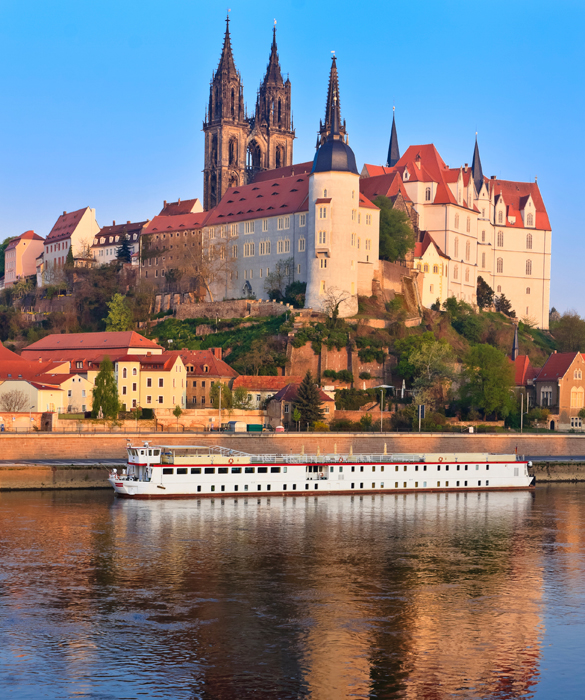
Local registrars decide which names to allow and which to reject in Germany. Some that they've nixed: Stompie, Woodstock, and Grammophon. Last names like Kohl are also not allowed, nor are gender-neutral names like Matti. Also rejected: Osama bin Laden, from a Turkish couple living in Germany.
Iceland
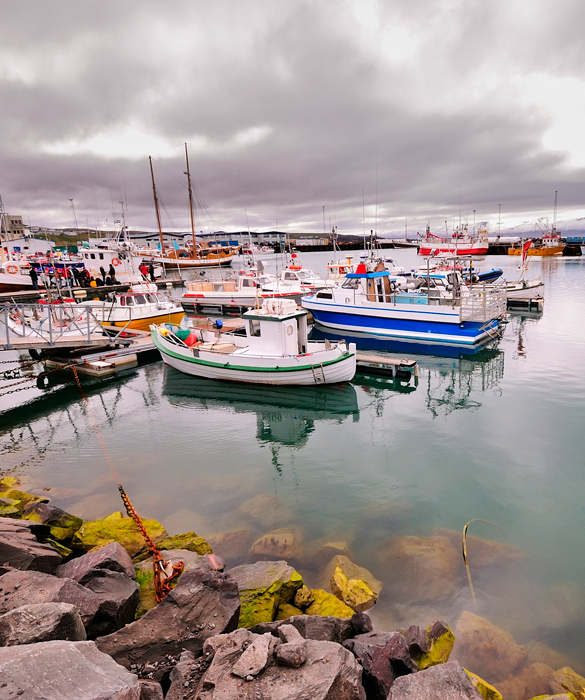
In Iceland, your name selections are pretty limited: There's a list of 1,712 boys' names and 1,853 girls' names that fit the language's grammar and pronunciation and will "protect kids from embarrassment." Mistakes do happen, though, and about 15 years ago a priest baptized a girl with the name Blaer, which means "light breeze" … and is not on the list. Since it has a male article, the government wouldn't recognize the name until earlier this year, when the girl took the country to court over the right to use her name—and won.
China
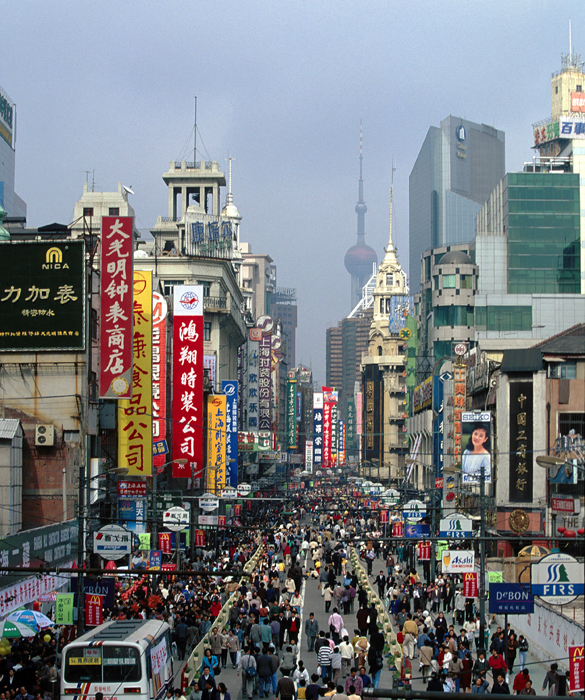
We don't know much about China's naming laws or records (surprise!), but there is one definite no-go name: @. Yes, the sign. Apparently it resembles the Chinese character that means "love him," but since it's actually not a Chinese character… it's not an acceptable name.
MORE: 10 Toys That Were Banned
Denmark
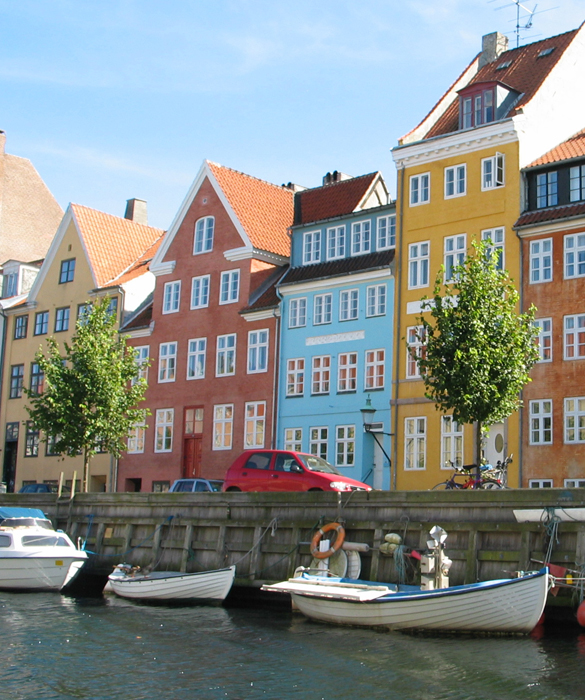
Like Iceland, Denmark has a list of approved names—about 7,000 in all. Though special permission is sometimes awarded for names that deviate, the courts are tough. Or smart. Some names that weren't allowed: Anus, Monkey and Pluto.
Portugal
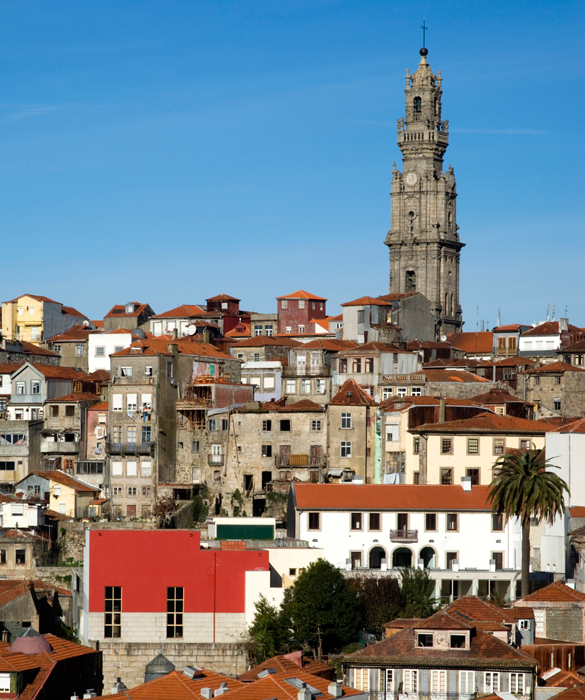
Oh, Portugal. With an 80-page document outlining acceptable and unacceptable names, Portugal basically gave birth to the practice of banning names. For a long time in the country, only biblical or Christian names were allowed. Foreign and foreign-sounding names—say, Pablo, Olaf, Nirvana or Kennedy—all no-gos.
Japan
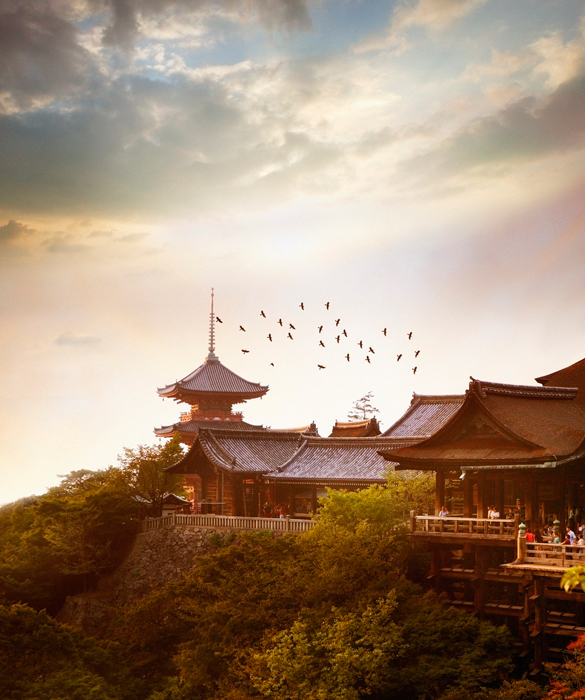
The Japanese Family Registration Law includes a list of 2,323 "name kanji" (characters that are allowed to be used as names). The list does not include the name Akuma, which means devil in Japanese and was ruled by courts to be an abuse of parental rights.