
Almost every parent hits the same wall at some point: you know it’s time to potty train, but the advice coming from every direction (your mom, your pediatrician, TikTok, your cousin who just called you frustrated) doesn’t agree on anything. The age varies. The method varies. Even the pull-up question is contested. Some parents let their kids decide when they’re ready. Other start at 2 years old with military-like methods and precision.
Here’s what two potty training experts actually say, broken down by the questions parents ask most.
What are the signs my toddler is ready to potty train?
When you pause to think about how your parents may have approached potty training, there’s sure to be a world of difference. My cousin recently called me about her 3-year-old, because she’s been feeling super frustrated with input from the older generation of parents and how their advice is so different from today’s potty training recommendations.
When you’re a millennial or Gen Z mom looking to do what’s best for your toddler when it comes to potty training, there’s some important criteria to consider.
Even though your toddler may not be fully verbal just yet, there are still some helpful signs and behaviors you can watch out for to help determine if they’re actually ready to take on potty training.
Here are some tell-tale signs you can spot before you begin the potty training process:
- They consistently wake up from their naps with a dry diaper.
- They are showing interest and wanting to copy what others are doing on the toilet.
- You are seeing them start to tell you when they have a dirty diaper.
- A wet or dirty diaper is starting to feel uncomfortable to them, so they routinely pull or adjust it.
- They’ve begun hiding when they’re going to pee or poop in their diaper.
- Their basic communication skills are there and they can follow simple instructions.
- They can pull their pants up and down independently.
What is the best age to potty train?
As a parent, the key thing to remember about trying to figure out what the right age is for you to start potty training your toddler, is that it’s different for every single child.
Most toddlers begin potty training between 2 and 3 years old, but the right age depends entirely on your child’s readiness, not a calendar date. According to Patricia Norman, a registered social worker who specializes in pediatric sleep and also works as a potty training consultant at West Coast Sleep Consulting, “The best age to start potty training is child specific.” She explains that while most toddlers start potty training between 2 and 3 years old, the best time for parents to begin the potty training process is when their child shows “a strong interest in using the potty and is showing signs that they’re ready to start learning and practicing.”
You want to be sure that your child is ready to take on potty training — and being ready for them often comes with a natural curiosity about using the toilet — otherwise, you may find the process to be rather long and difficult.
Is 2 too young to potty train?
Two is not too young for every child, but it’s also not a milestone to chase. According to Norman, who’s also a mom of two, some parents may find success with potty training their 2-year-old, but again, it really depends on the child.
Throughout her professional experience working as a potty training consultant, she’s also found that there are some 2 year olds who are not ready, and it’s worked out better for everyone to hold off starting until their interest in potty training grew.
Through her potty training consultancy, Norman advises parents to “never get hung up on age [because] every child is so different and [it usually works out best] to let them take the lead with their readiness.” If you’re looking for signs of readiness, a good tell tale indicator is finding that your 2-year-old routinely wakes up from their nap with a clean diaper.
What's the best potty training method for a 2-year-old?
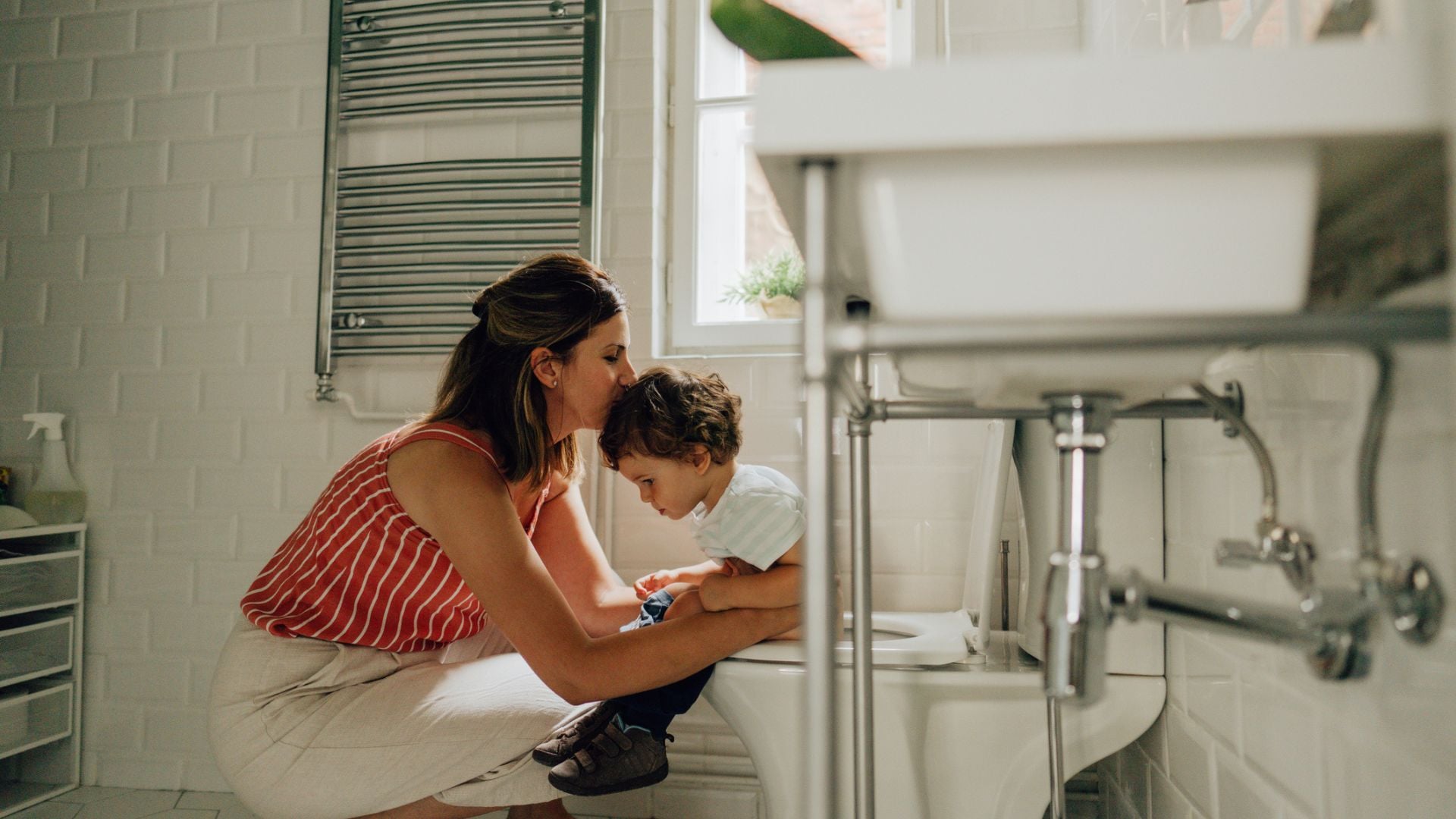
For most 2-year-olds, experts recommend 3 to 4 intensive at-home practice days, toilet trips every 30 to 60 minutes, and skipping pull-ups during the day to avoid confusion.
According to UC Davis Health, you can make the process more fun for your 2-year-old by allowing them to pick out their own potty seat or colorful step stool if you’re opting for a potty insert. Also, don’t be afraid to allow your toddler to use their potty during playtime, as they’ll get used to sitting on it and become more comfortable with the idea of what it’s used for.
As far as a specific potty training method for a 2-year-old, Norman suggests that parents start out with at least three to four at-home practice days “to [help] build a solid foundation with potty training.”
You may want to start with taking your 2-year-old to the toilet every 30 to 60 minutes to try and gauge what works for them and get them used to using the potty instead of a diaper. Once you find some success and routine in that, you can start to extend the time period little by little.
The professional potty training consultant also suggests to families that they commit to time away from daycare or work to focus solely on potty training, “so that it starts to ‘click’ and little ones get lots of practice.” She also suggests that parents “work away from pull-ups/diapers right away” to avoid any confusion of backsliding for their toddler during the intensive potty training process.
What's the best potty training method for a 3-year-old?
A lot of the same things go for potty training when you have a 3-year-old as well. Dr. Katie Rivard, who has a PhD in inclusive education and is a board certified behavioral analyst who specializes in toilet training for children who have developmental disabilities, explains that the best potty training method for a 3-year-old is one that you find works for your kid and helps keep them “motivated and ready to use the toilet at 3 years old.”
Also the director of Blackbird Toileting Services, Dr. Rivard explains that a lot of parents will often find that when their 3-year-old is ready for potty training, “they’ll essentially potty train themselves.” If that means giving your toddler the freedom to run around bottomless for a weekend, some parents do find a lot of success in that method, while other younger kids need more instruction.
Dr. Rivard explains that the “listen to your body” approach doesn’t work for every child. She notes that many kids — especially neurodivergent learners — need “explicit instruction” and supported sits rather than waiting for internal cues. Other kids may be ok with that trend that involves instructing your child to “just get to the potty when they feel the need to pee or poop,” even if it’s such an “abstract concept.”
Some parents may find that the whole concept of your toddler being able to “listen to [their] body” in terms of potty training can come later, Dr. Rivard explains.
What should I do if my 4-year-old isn't potty trained?
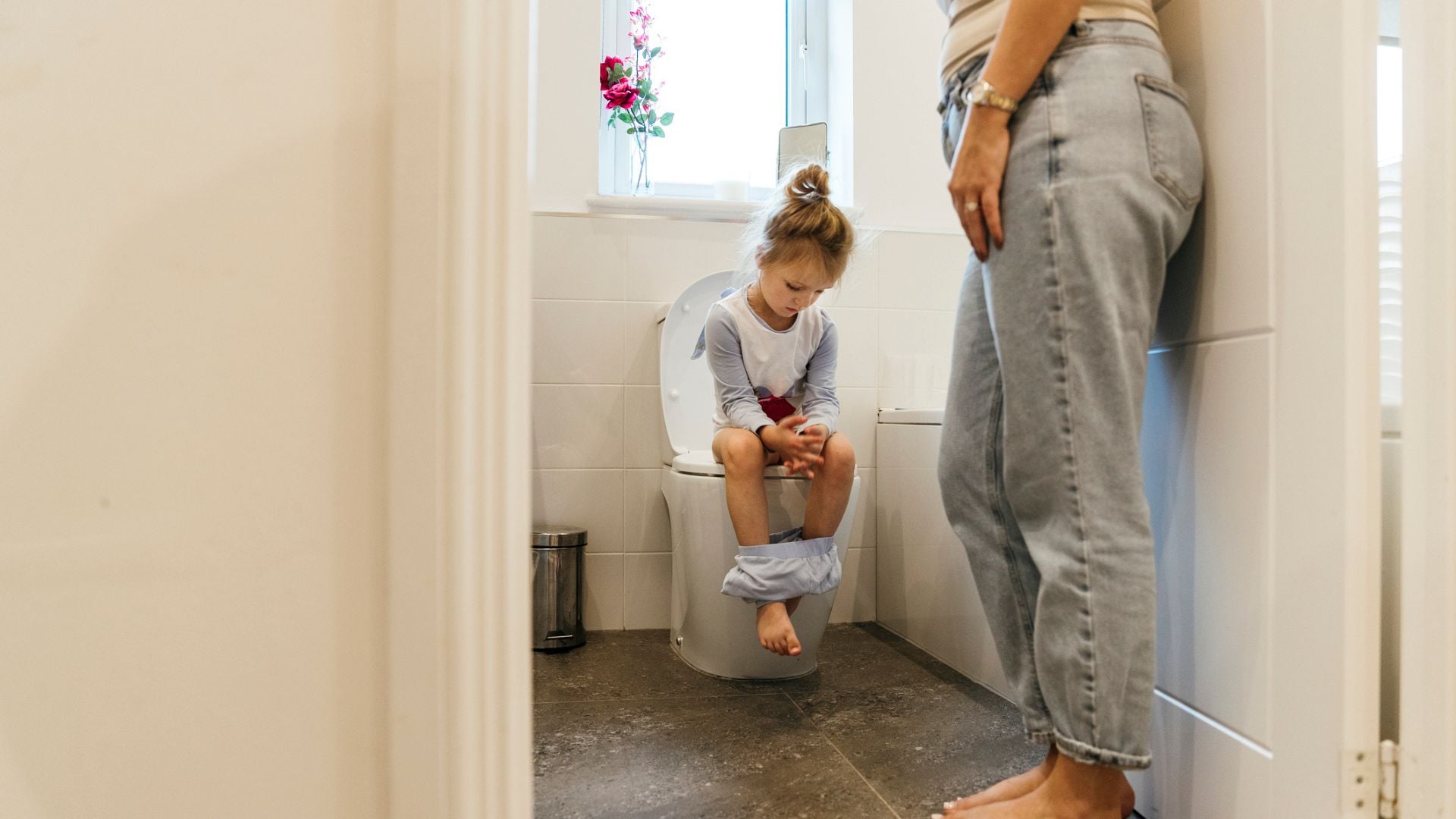
A lot of parents find themselves feeling like they’ve failed their child when they’re 4 years old and not fully potty trained, but there’s no productive reason to feel that way. As Dr. Rivard explains: “Four years old is by no means a deadline of any kind [as] lots of kids come to potty training success later on.”
Dr. Rivard clarifies that even though it may be worth letting your child’s primary care provider know that they’re not yet potty trained by age 4, which is perfectly okay. If you haven’t found success on your own by the time your child is 4, she suggests considering taking on a potty training coach or a special support person to help investigate any issues and help put a proper plan in place.
Should I use pull-ups to potty train my toddler?
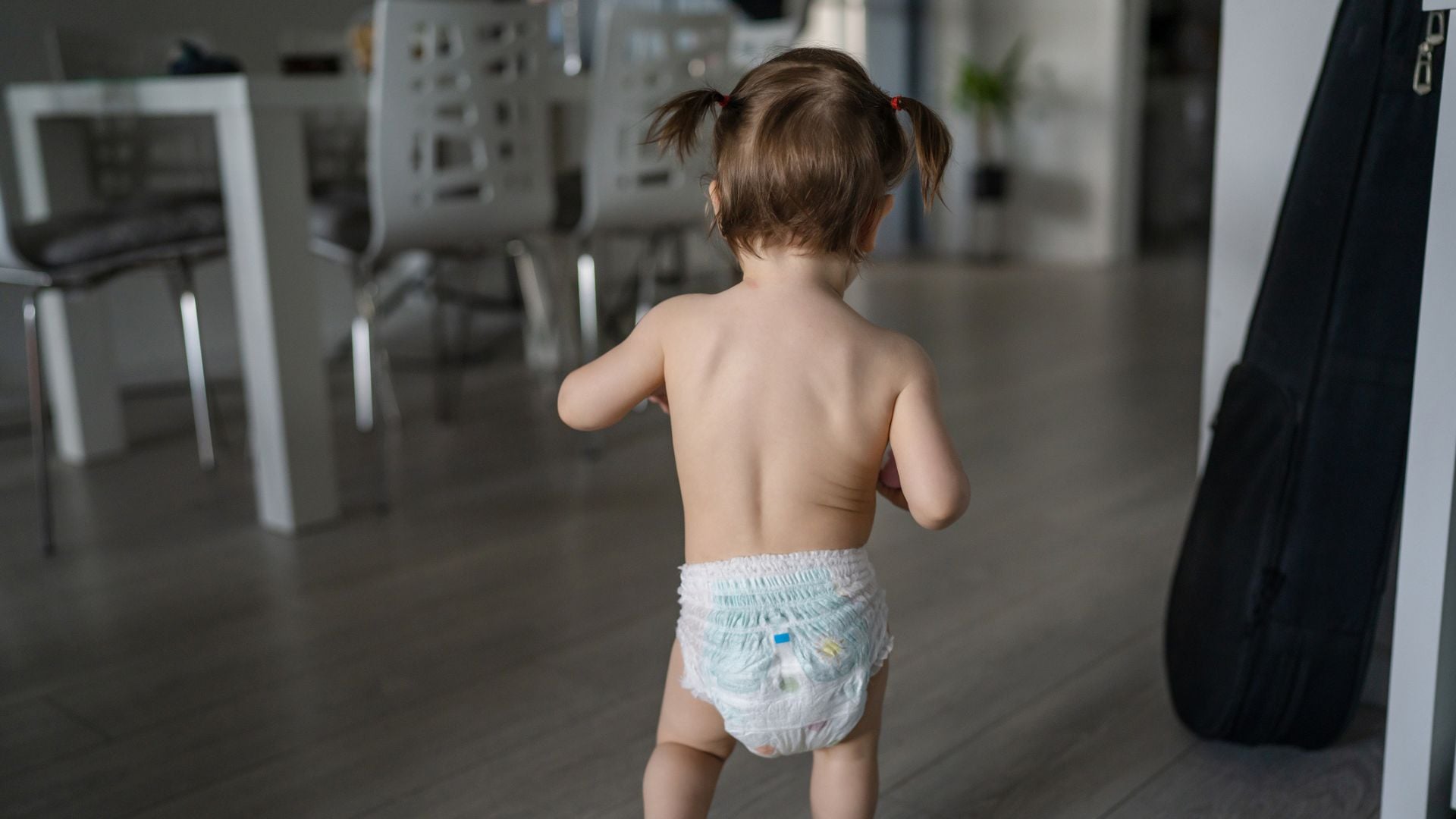
Most potty training experts recommend skipping pull-ups during daytime training — the wetness sensation is part of how toddlers learn. Nighttime pull-ups are generally fine.
This is another spot that can often be confusing for a lot of parents, because who wants to spend a good chunk of their time cleaning up accidents throughout the potty training process when you can just outfit your toddler in a handy pull-up?
While some parents often think of pull-ups as a convenient option that can save them on mess, Dr. Rivard explains that they can actually be “unhelpful” to your child. “Research on toileting skill acquisition has shown that many kids really benefit from feeling accidents happen,” she explains.
The board certified behavioral analyst explains that pull-ups can often be “too good” since they wick away moisture so quickly, “the child doesn’t get to feel that wetness and learn to act on it by rushing to the potty.” She notes that having your toddler wear underwear for “at least a good chunk of the day” is beneficial to most little ones going through the potty training process.
If you’re set on keeping things as easy as possible during the nighttime hours, you can always opt to put your toddler in pull-ups for bedtime and switch to underwear during the day.
How long does potty training take?
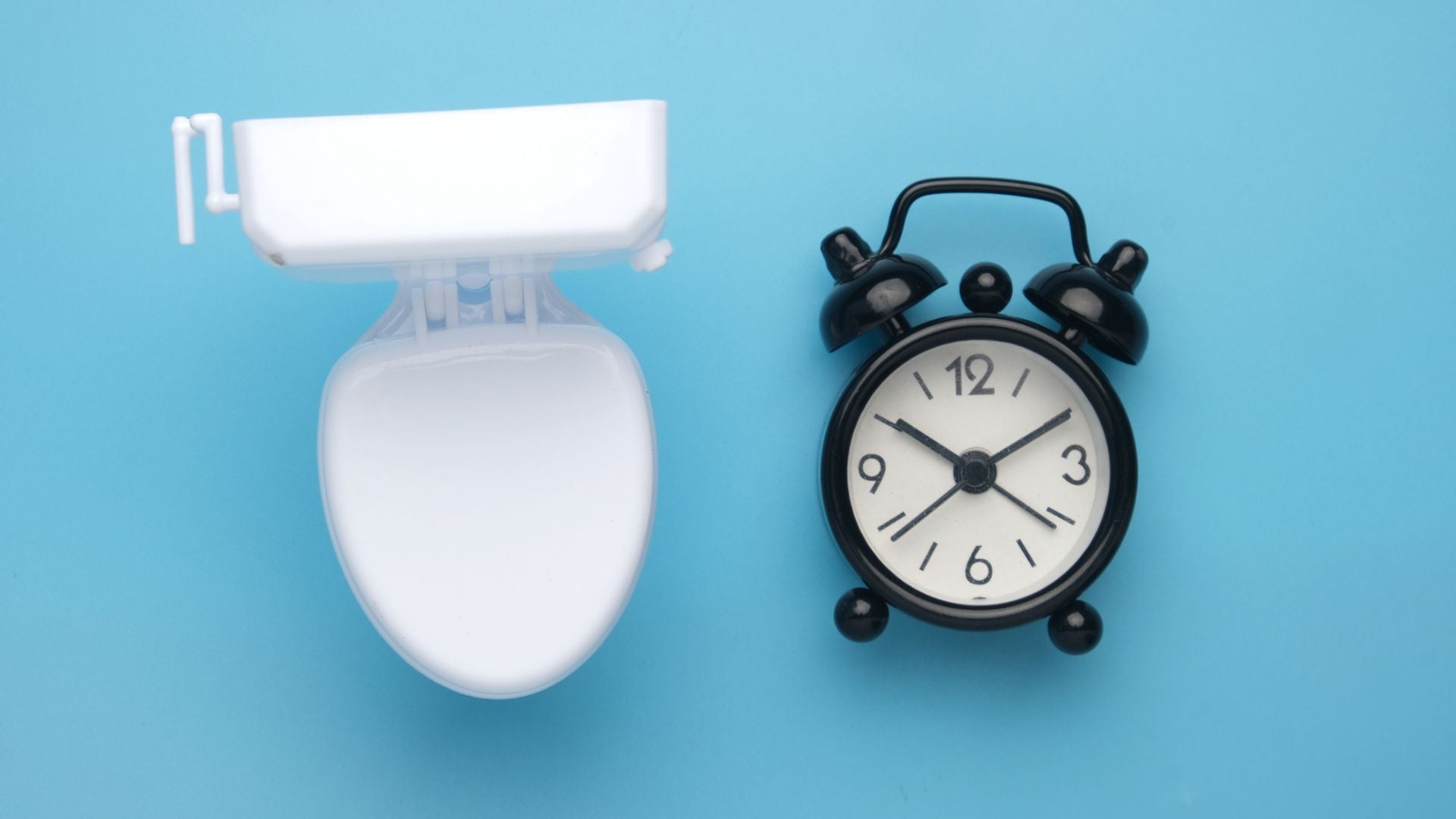
Even though it may seem like a tedious process for a lot of parents, Dr. Rivard explains that there is really no set timeframe that parents and caregivers should keep in mind during the potty training process. “Any parent will tell you that kids are really on their own timeline,” she says.
She notes that parents will see a wide range of success and their toddlers really need time to adapt and learn. Some toddlers will just take a couple of days to catch on while others need months, and anything in that range is “expected and normal.” One thing that Dr. Rivard will tell parents to watch out for throughout potty training is that even though patience is key, it’s okay to switch up your training tactics if you find that your toddler gets stuck and isn’t moving forward in the process.
If after about five days of prompting your toddler to use the potty there’s been no progress, Dr. Rivard suggests shifting to timed sits: placing them on the toilet at predictable intervals rather than waiting for them to signal readiness.
READ NEXT: 6 Tried-And-True Quiet-Time Hacks That Keep Kids Busy While Parents Get Things Done