Think Globally
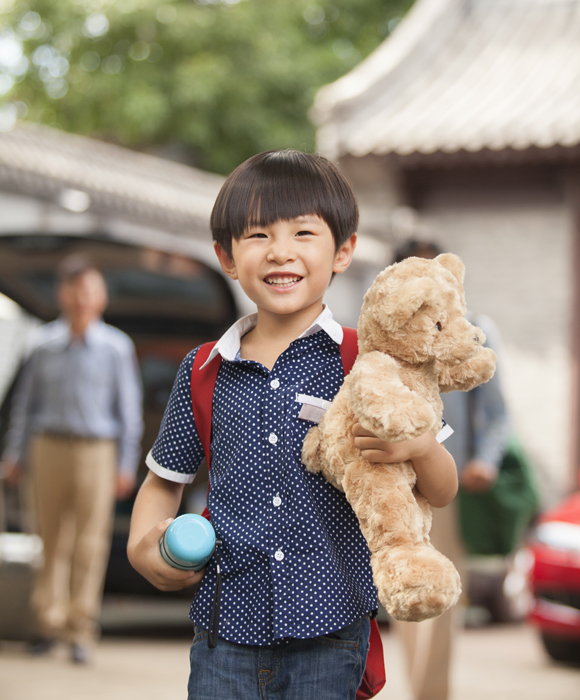
You've read all the parenting books and consider yourself a well-informed parent. But did you know that lots of international parents—and research—would tell us that we American moms and dads could benefit from doing things differently? Here are 11 surprising lessons for parents from around the globe. All of them are worth considering, if only for how they show us how many different ways there are to define "good parenting."
Take Risks
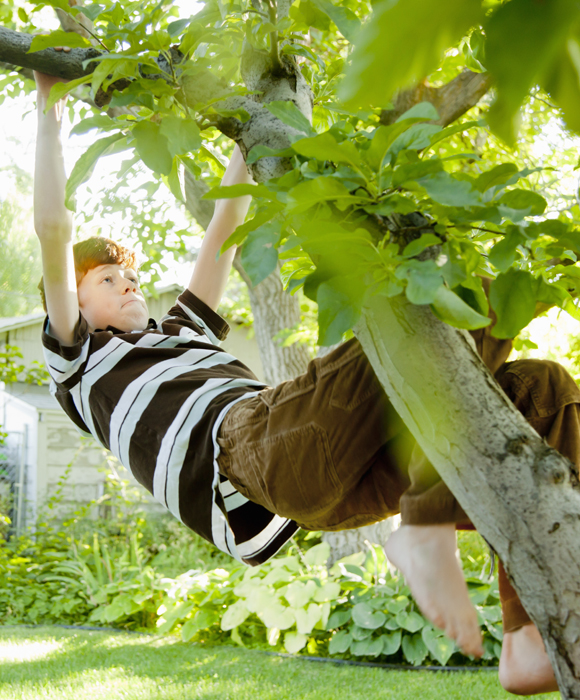
Research from Norway shows that taking certain risks, like climbing trees, is good for kids and can actually keep them safer. Taking all sorts of risks helps kids to meet their need for challenge while honing their inner judgment about what their bodies can do. Climbing a tree is also more challenging than a climbing structure on a playground, which feels "too safe," or even boring—exactly what compels kids to take more risks.
Skip the Kid's Menu
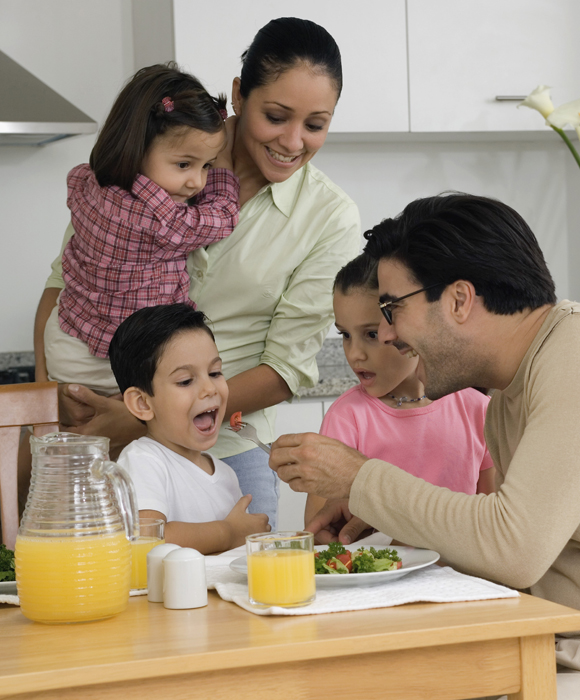
In countries around the world with robust food cultures, including South Korea, kids don't get separate meals from adults. They're expected to wait to eat as a whole family and taught to be able to eat everything on the table. Eating communally, with everyone eating (and enjoying) the same dishes, encourages kids to eat a wide variety of healthy food.
RELATED: Time to Ban the Kid's Menu
Set Goals Just Out of Reach
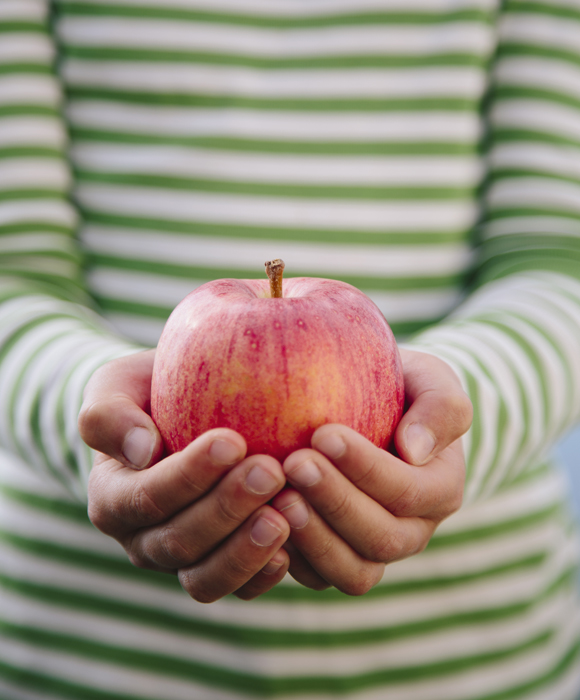
Chinese teachers and parents say that encouraging kids to work hard toward a goal is like holding an apple just encouragingly out of reach. You have to get the distance just right: Too far away, and the child is too discouraged to even try; too close, and it's not motivating enough. But you've got to have that apple out there.
It's OK for Kids to Fight
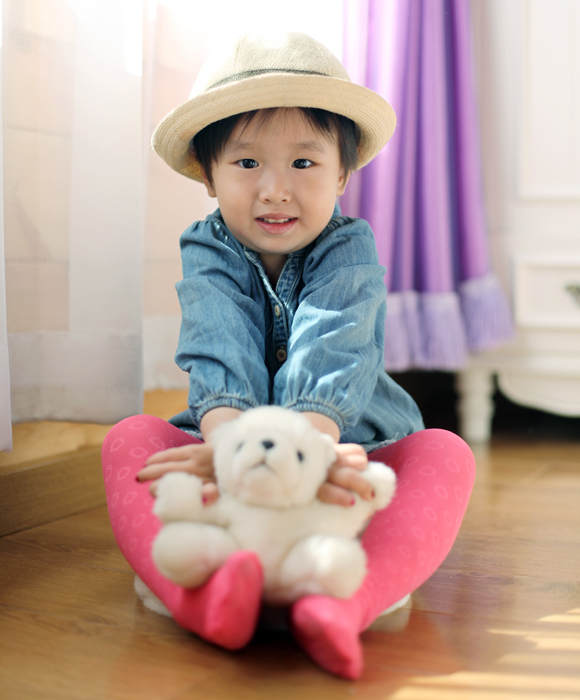
This doesn't mean condone a full-out fist fight, but Japanese parents say when kids squabble over a toy, or over which part they want to play in a make-believe game, this sort of conflict is actually good for them because it gives them a chance to experience conflict and making up—all on their own. It's OK to guide them and model good ways to get over a conflict—but don't feel compelled to walk them through everything. Instead, step back and let the kids work it out.
Go Outdoors Every Day
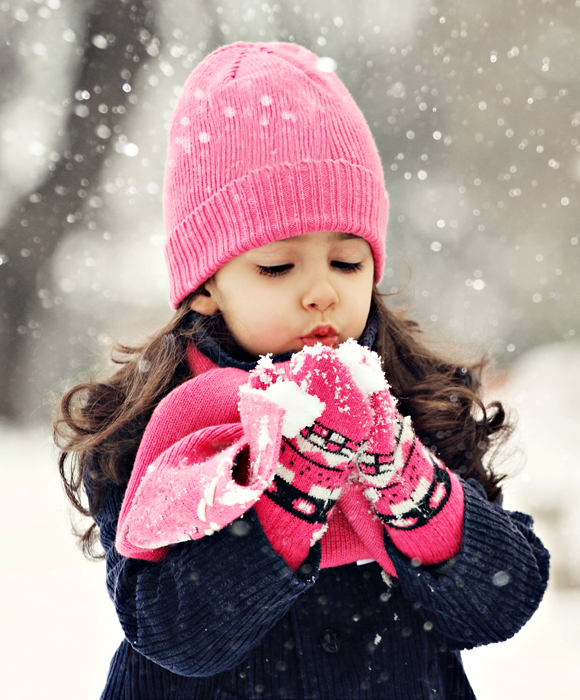
In northern Europe, where the winters are bracingly cold, children are expected to play outdoors every day (and babies are even expected to nap outdoors). In this region, they have a saying that gets them outside, rain or shine: There's no such thing as bad weather—only bad clothing.
Greet People
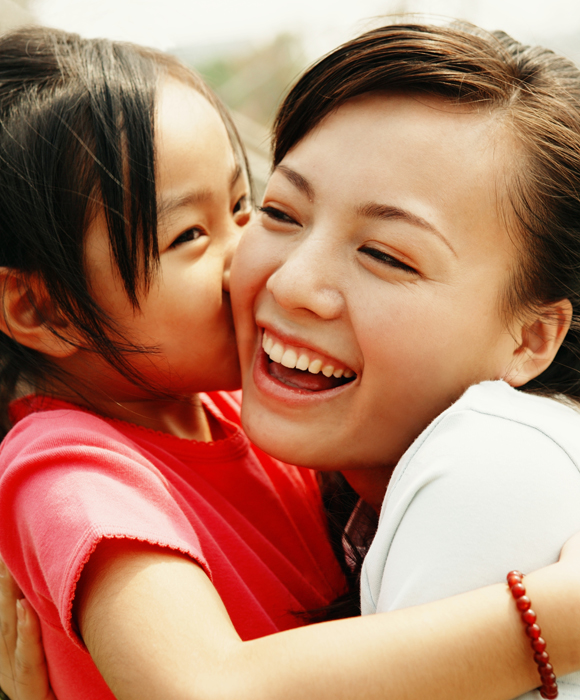
In cultures from France to Japan, being able to greet people (to say "hello" and "goodbye") is a fundamental expectation, and parents teach this to their children the way we teach the ABCs. (In Japan, they even have greeting exercises to reinforce this important skill.) Think of greetings as a reminder to kids: They're not alone, there are others on this Earth, and they must acknowledge and care for others, too.
Don't Make Kids Share
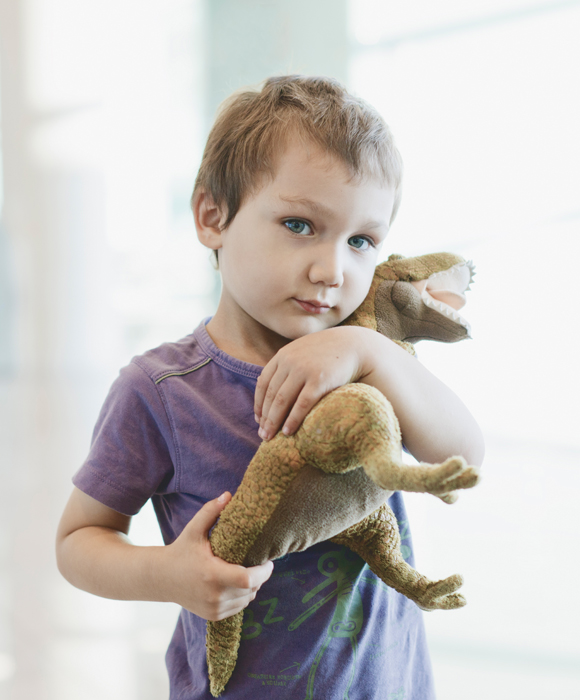
In a study comparing Guatemalan Mayan and American toddlers, the Guatemalan Mayan kids were indulged—they were allowed to do whatever they wanted, and were never asked to give up a toy to a sibling so they could learn how to share (unlike their American counterparts). Instead they got their own way until they themselves matured enough to share, and, unlike the American older siblings, freely and spontaneously began to model the generous behavior that had been shown to them when they were little.
Co-Sleep With Your Baby
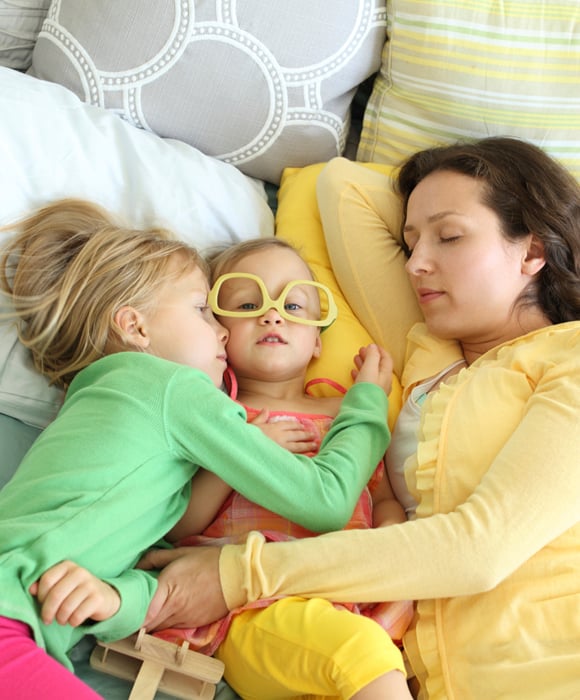
We're often told that independent sleep is a crucial part of raising an independent child. But the vast majority of families in the world, in regions like Central and South America, Africa, Asia and parts of Europe, co-sleep with their babies and small children. Research shows that children who co-sleep are actually more independent than those who don't.
Ditch the Fence
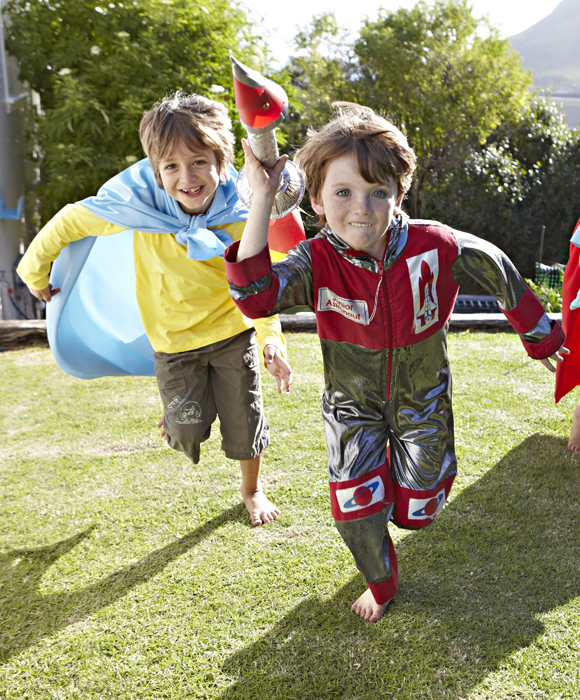
Swedish adults try not to be too controlling of kids. Instead, they teach children to control themselves, to become their own inner voice and practice good decision-making from an early age. Some Swedish preschools have no fence at all—instead, teachers instruct children on the concept of an "invisible fence." This gives the kids a chance to practice self control every day.
Tap Into the Village
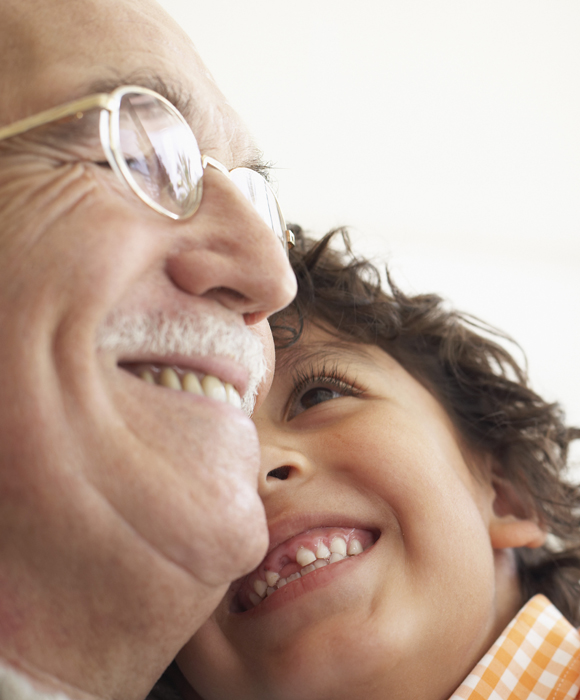
Parents in countries from Greece to Spain, Brazil to Italy, believe that children are best off when others help raise them—the extended family, friends or community. In Brazil, many families even live in multi-generational housing—grandparents, parents and siblings live in separate but adjoining homes or on separate floors of the same house—which makes it easier for the "village" to pitch in.
Downtime Is a Must
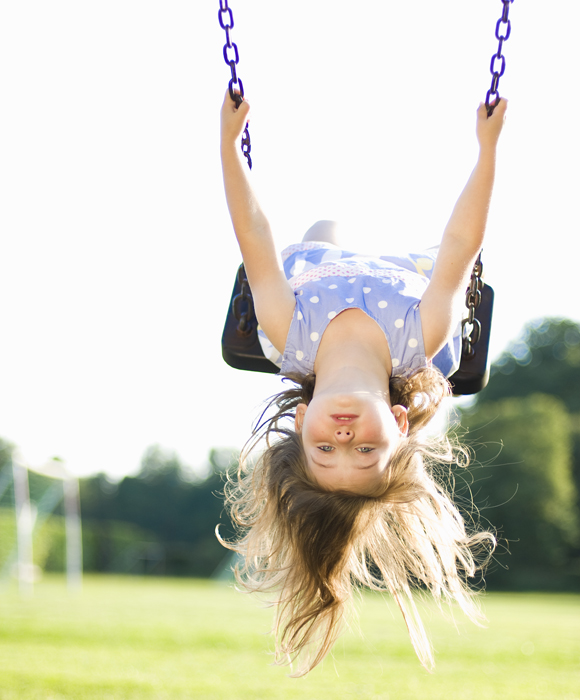
Finnish children get a lot more time to play than ours do—they have more recess (during which they ski, skate or just run around), and their school days are shorter, too—sometimes as few as four hours. In addition, they have plenty of non-academic classes, like woodworking, sewing, cooking, music and art, to help break up the school day. Yet Finnish kids outperform American children (and many others) on international achievement tests, casting doubt on the idea that more is better when it comes to academics.
Christine Gross-Loh is the author of Parenting Without Borders: Surprising Lessons Parents Around the World Can Teach Us. She is a freelance writer, author and speaker on parenting. Christine received a Ph.D from Harvard University in East Asian history.