
Because I Said So

Mother knows best, but telling kids to just obey your orders "because I said so" can do more harm than good.
It's important to explain why you're asking them to do or not do something, even when they argue and refuse.. You may have their best interest in mind, but uttering just those four words can undercut their feelings and take away their sense of control, leading to more resentment and anger.
Don't Cry!
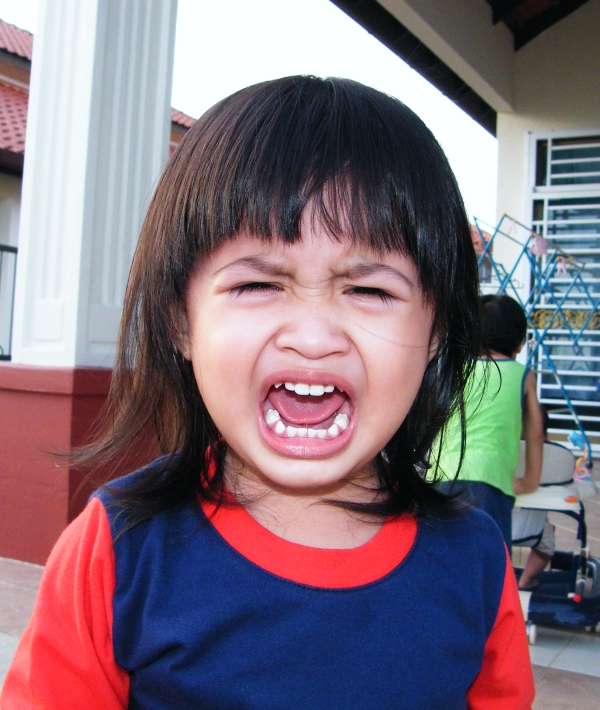
Keeping emotions under lock and key isn't a sign of strength. Encourage kids to cry when they need to and to work through their emotions.
"When we get hurt, physically or emotionally, instead of storing it all up in our bodies as tension, we can make use of crying, laughing, raging or trembling. This is how the body processes and releases feelings," says Roma Kitty Norriss, a doula and parenting instructor.
Experts and studies link unresolved emotions and emotional numbing to depression.
Punch a Pillow

Just as you shouldn't tell kids to suppress their feelings, you also shouldn't teach them to channel those feelings in unproductive ways.
When we're told to punch a pillow or punching bag and to "let it out" in aggressive ways, the action creates a link between anger and aggression. In a study published in the Journal of Personality and Social Psychology, researchers found that people are better off doing nothing than venting their anger. Actually, instead of being a cathartic act, punching increased people's hostility.
There aren't just two options to expressing anger (that is, holding it in or letting it out). Teach kids nonviolent responses like counting to 20 or venting emotions through writing or drawing. Here are other healthy ways for children to deal with their frustrations.
Here, Let Me Do It
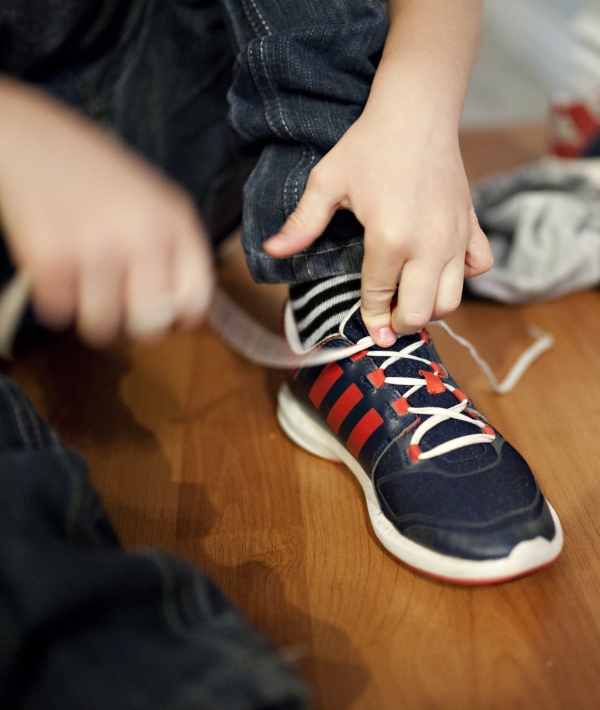
You may be in a rush to leave or your child just isn't getting the right answers on his homework. In many cases, it's tempting to take matters into your own hands, but doing so can make kids feel like they're not good enough or keep them from learning. Instead, try a collaborate approach and suggest you both work on the problem together. Lead kids to the answer through questions and explanations instead of straight out doing it for them.
Great Job!
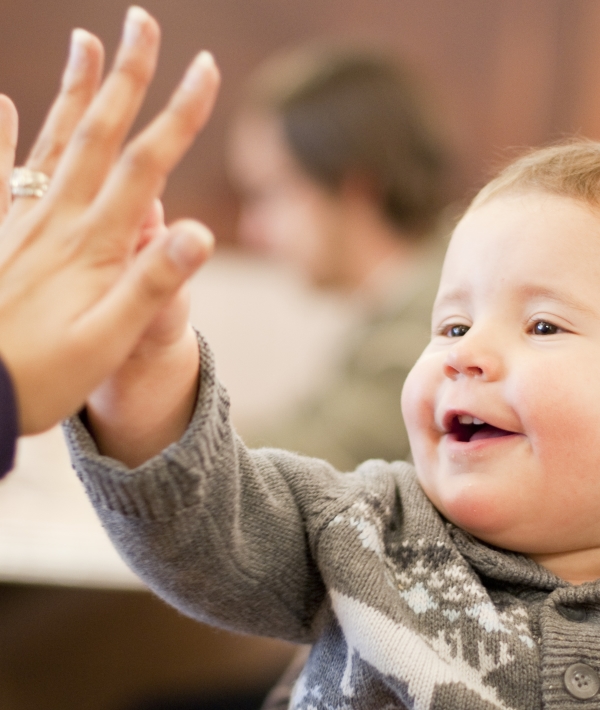
When kids are showered with blanket statements like "Great job!" or "Nice work" for even the little things, these compliments become meaningless and don't work. Positive reinforcements can help build self-esteem, but kids can tune it out when they get repetitive. Plus, research has found that students who received a lot of praise for their intelligence instead of effort became overly fixated on the results and undermined their motivation.
Instead of being vague, emphasize their actions and efforts and maintain a healthy balance of praises and rewards. ("You colored the sky different shades of blue, which make it look so real" and "Your grandma smiled when you gave her that drawing" instead of just "Beautiful job!")
Dr. Jim Taylor, an expert on the psychology of parenting, writes that for young children especially, the best thing parents can do is to simply highlight what the kids did. "For example, if your toddler just climbed a playground ladder for the first time, just say, 'You climbed that ladder by yourself.' Their smile of pride will tell you that they got the message you wanted them to get, namely, 'I did it!' Nothing more needs to be said."
Just Wait Until Your Mom/Dad Gets Home!
Passing the buck to your partner undermines your authority and makes your partner the bad cop when both parents are both equals and should be a unified team. It's important to keep kids' bonds with both parents fear-free and healthy.
The threat of "just wait 'til your mom/dad gets home" also puts a pause on the penalties. By the time your partner gets home, your child probably will either forget what she did wrong or wait in agony for the punishment (a consequence she might not even have deserved in the first place). For kids to connect their actions to consequences, handle the situation right then and there.
RELATED: What Not to Say to Your Stepkid
You Can Have Dessert If You Finish Your Veggies

A short-term solution for dealing with picky eaters is to offer desserts as a reward for eating vegetables or trying a new food, but this tactic can have long-term consequences. Using desserts as a reward sends a message that other "have-to-eat" foods aren't as good as desserts. Research also shows kids who see food as a reward may turn into adults who also seek food as reward and are more likely to binge-eat or diet.
RELATED: 10 Myths About Kids and Food
Why Can't You Be Like Your Sister?
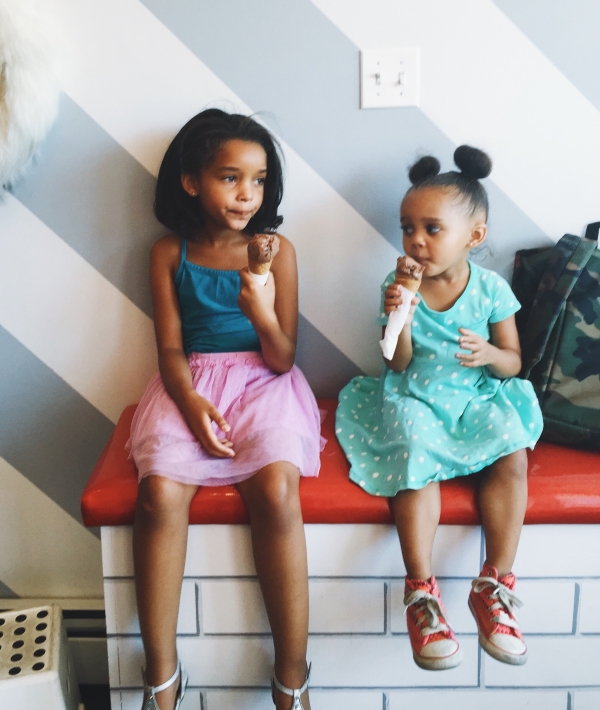
When you compare children to their siblings with comments like "Your sister would never do that" or "Your room is always messier than your brother's," you're not holding one sibling up as a shining example. Instead, kids can feel resentful or it can lead to unhealthy sibling rivalry.
Every kid is different with his or her own personalities and temperament. Comparing your children to someone else can make them think you wish they were different. Instead, compare them to themselves. How has she improved in the last year? How has his strengths and weaknesses changed?
I Love You But...
This "I love you but I don't like you" mentality gives a similar message that parents want their kid to change. By saying "but … " parents place a condition on unconditional love.
"Kids want to be liked and accepted, especially by their parents. (It's why so many of us are in therapy.) Kids need to know that their parents can handle their big emotions and mistakes without being unlikable, different and in lack," writes mom.me contributor Michelle Horton.
Everything Will Be OK
When kids are stressed or anxious, saying, "You're going to be fine" or "Everything's going to be OK" just won't cut it. When parents tell kids not to worry without offering solutions to deal with the anxiety, they're not tackling the source of the anxiety.
"You never give the person the opportunity to experience what they're anxious about," Jill Emanuele, senior clinical psychologist and director of training at the Child Mind Institute, tells Time. In fact, when all a child has are words of comfort, anxiety can come back stronger. Emanuele suggests validating kids' worries, asking about their concerns and forming real strategies to face their fears.
You're Getting Fatter
A 2016 study published in the journal Eating and Weight Disorders showed that when parents make a comment about their daughters' weight, they are more likely to grow up dissatisfied with their body weight.
No matter how well-meaning you might be, comments like "you're getting fatter" or "maybe you should try losing some weight" are internalized by children and are often predictors of unhealthy dieting behaviors and eating disorders.
There's already so much pressure outside of the home correlating thinness to beauty and women's appearance to value. Challenge those messages. Don't add to them.
In her book, "I'm, Like, SO Fat," Dr. Dianne Neumark-Sztainer says parents can influence children's eating habits without talking about them. Make your home an easy place to make healthy choices, from the types of food you keep in the house to take bike rides together.
It's Not a Big Deal
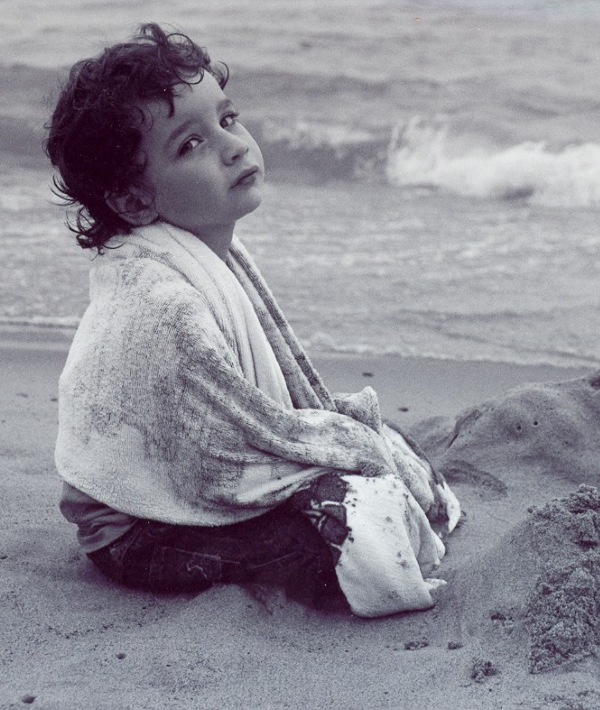
Everything's a big deal to kids, even if it's not a big deal to you. Telling children that whatever they're upset about isn't a big deal is another way of invalidating their emotions and doesn't make them feel better. Listen now, because if big stuff really does happen later, they might not want to tell you.
Don't Be a Quitter
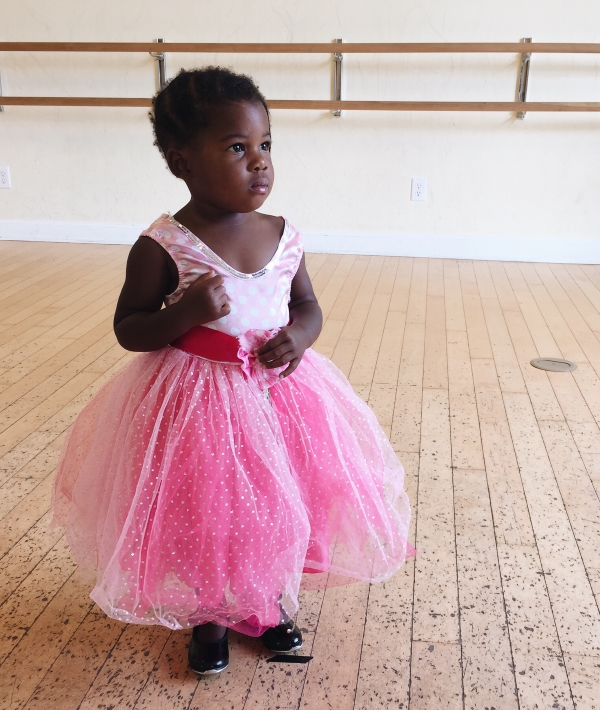
Just the word "quitter" can mean to kids that they're a disappointment and diminish their self-confidence, which in turn can even cause them to quit more things instead of following through. But in reality, kids aren't quitting just to quit.
"I was a kid who got interested and excited about things, who was given opportunities and tried things on the road to discovering what I liked, what I was good at and what I wanted to stay with. The rest, the stuff that ended up not being of interest for whatever reason (from dorky uniforms to lack of talent), I moved on from—and in moving on (or "quitting"), I asserted a bit of independence. I slowly became myself. Quitting, then, was for me an important, necessary part of growing up," writes mom.me contributor Lauren Kessler.
Plus, saying, "Don't be a quitter," negates any reason to quit when there are plenty of good reasons to do so. (Even moms have to learn to say no to some things to keep the stress levels manageable.) Find out why a child wants to quit and take his or her reasons seriously.
"It's a good opportunity to slow down and model good decision making," says child and family therapist Peter Weiss. "Sometimes it's a reaction to a fleeting feeling or incident and sometimes it's deeper."
Big Kids Don't Get Scared
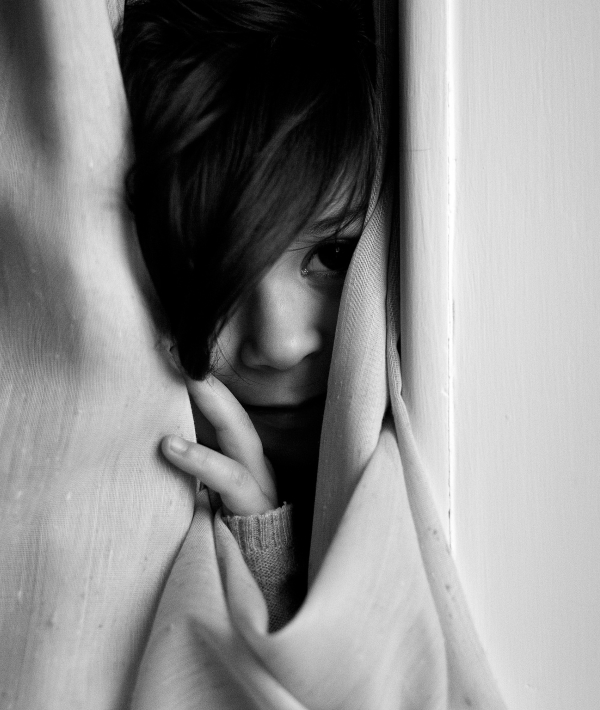
All kids get scared—even adults get scared! Fear, whether it's of a strange animal getting too close or of making a huge parenting mistake, is a human and ageless emotion. Instead of dismissing kids' fears, dig into why they're afraid and try to change their perceptions. For instance, if your child is afraid of bugs, familiarize them by teaching them about friendly bugs or drawing pictures of various kinds.
If I Have to Tell You One More Time...
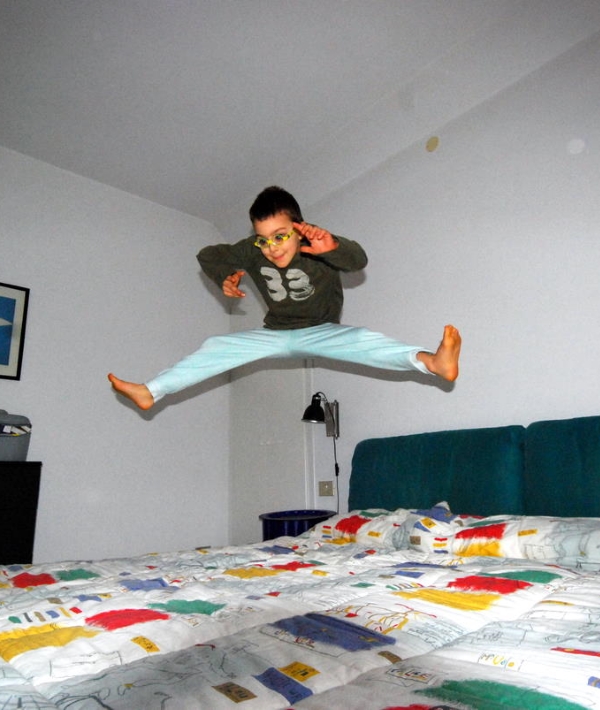
Add this to the list of parenting clichés and empty threats to avoid. "If I have to tell you one more time … " is a pretty ineffective way of getting your child to do what you want. Not only is it a threat that could instill fear but it can also backfire and contradict your authority and credibility. Instead, try using clear choices. "You might say, 'Erin, if you choose to poke your sister again, you choose to not watch TV for the rest of the day.' This clearly communicates the expectation and the consequence, without a threat," suggests Dr. Brenna Hicks.
Don't Be Shy
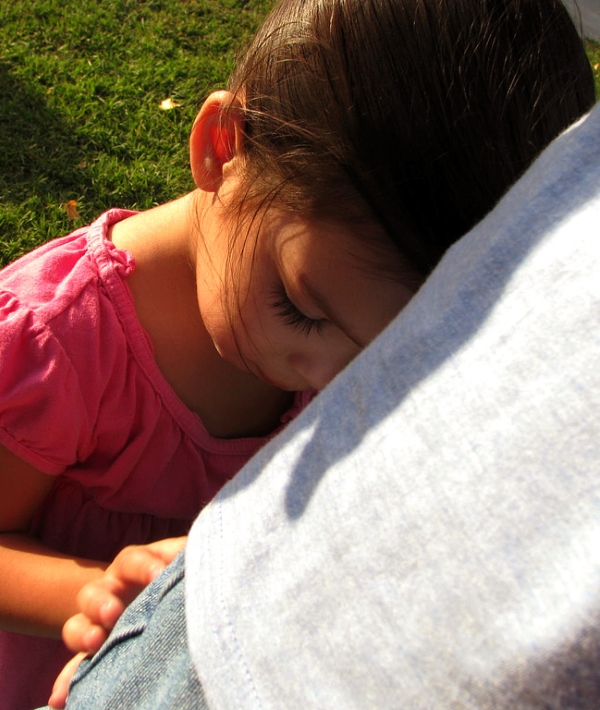
When parents label children as shy, they have a greater tendency to act shy. You may think you're being polite and giving your kid an excuse when he refuses to answer another adult, but putting the "shy" label on him really sticks in his mind and in the minds of those around him.
Not only can it become a self-fulfilling prophecy, but the label can also make kids think introverted personality traits are wrong.
"When parents or other adults make attempts to correct shyness," counselor Michael Reist tells Today's Parent. "The child hears the message that he doesn't fit in. Instead, we should be teaching him that it's OK if he isn't the same as everyone else."
I Told You So
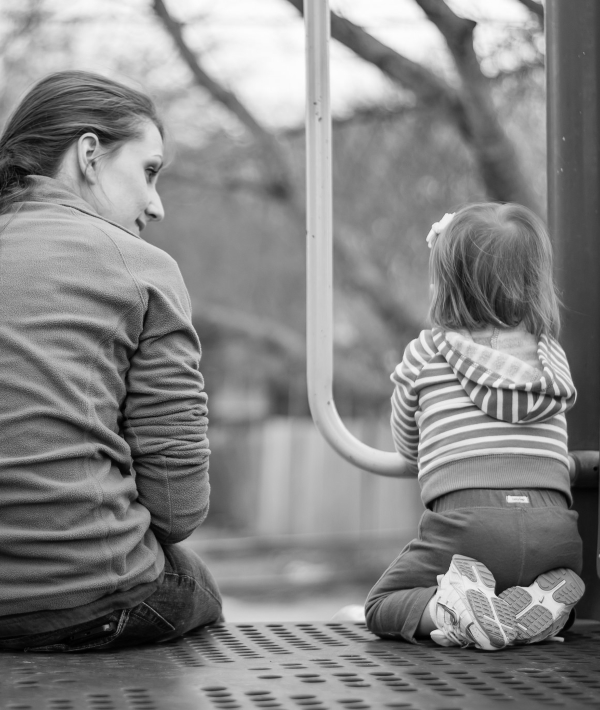
Kids dislike being told, "See, I told you so!" just as much as we do. These words can cause defenses to go up and create a power struggle between you and her. Saying it often can really drill into your kid that you're always right while she keeps messing up. Instead let her learn through experience and consequences and point out positives that occur when she does do something right. Give her the control and the credit.